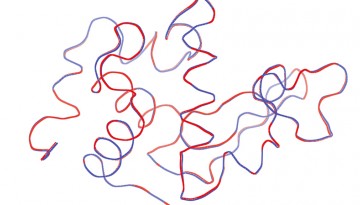
Using an algorithm developed by Cornell physicist Veit Elser, a group led by colleague Sol Gruner has determined the protein structure of a microcrystal using discarded data from another group.
High school students explored the field of digital intelligence through the CATALYST Academy, a weeklong workshop aimed at inspiring minority students to pursue careers in engineering.
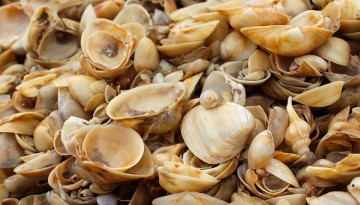
Cornell and Paleontological Research Institution scientists dug into the Colorado River's estuary mudflats to learn how upstream dams affect downstream mollusks.
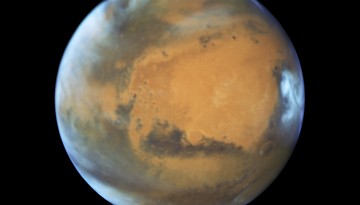
Mars may not have an Earth-like, continental crust. Instead, a Cornell scientist poses an alternative theory: Crystalized magma welled up from inside the red planet.
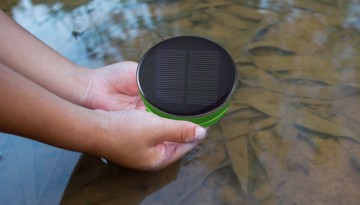
Chemistry professor Héctor Abruña will lead a Department of Energy-sponsored Energy Frontier Research Center at Cornell, aimed at developing next-generation, alkaline-based fuel cells.
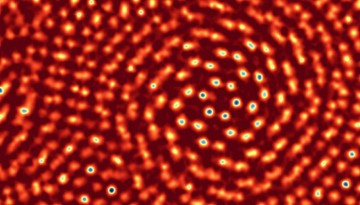
A group led by applied and engineering physics professor David Muller has achieved a record for electron microscopy resolution, using a device developed at Cornell by professor Sol Gruner.
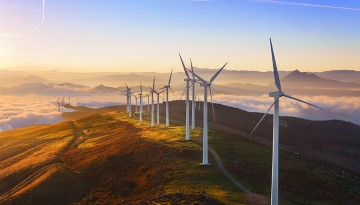
Three Cornell professors contributed to the successful proposal to lead a new $18.5 million endeavor to enhance the United States’ wind-energy economy and nix greenhouse gas emissions.