News directly from Cornell's colleges and centers
How WWII changed ideas of racial purity in Japan
By Kate Blackwood
War, for all its violence and destruction, is not just about death; sex and birth are also realities of war, historian Kristin Roebuck points out.
“When people meet in battlefields and occupied lands, quick and often coercive intimacy follows,” said Roebuck, assistant professor of history in the College of Arts and Sciences. “It’s not just that children are born in contested territory; the children themselves are contested territory. It must be decided what nation or ‘race’ these children belong to and what rights they should enjoy – or be denied.”
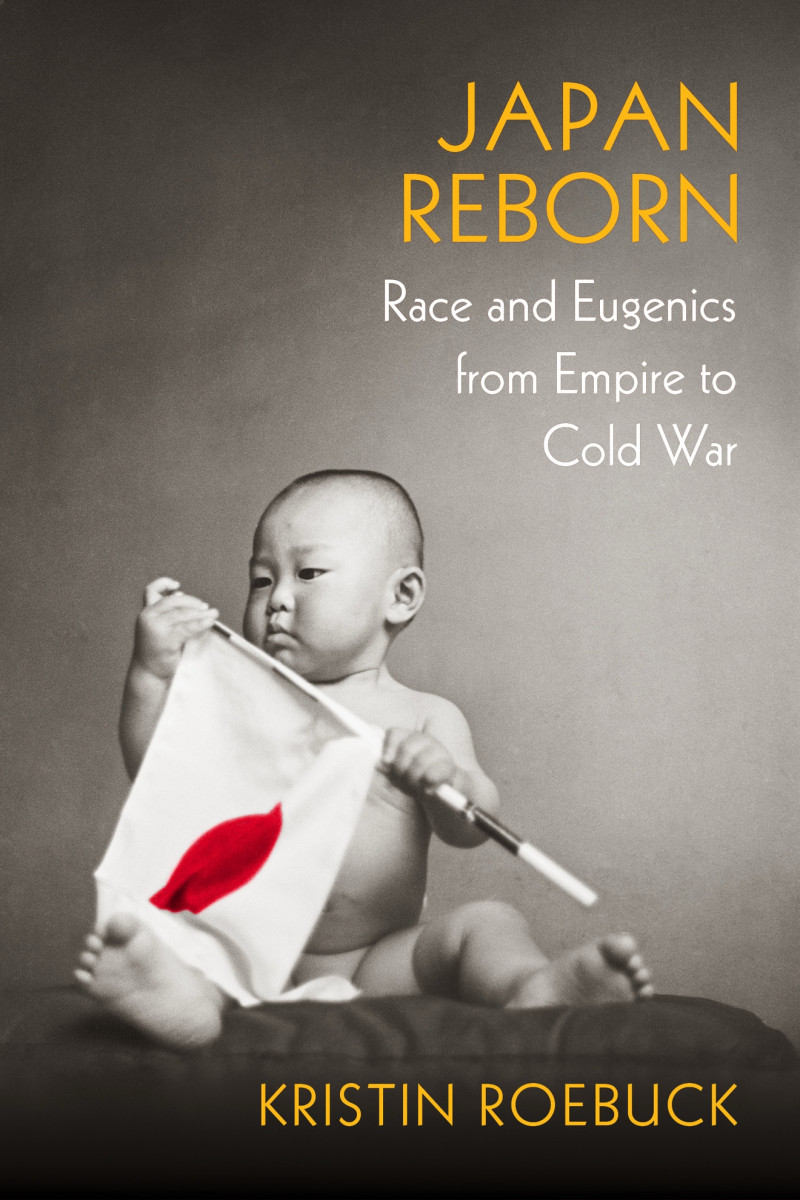
In her new book “Japan Reborn: Race and Eugenics from Empire to Cold War,” Roebuck explores what happened to “mixed blood” children born to Japanese women and foreign soldiers from the peak of Japan’s imperial expansion in the 1930s through the empire’s collapse in 1945 and beyond, a period that included Japan’s occupation by the Allies and the formation of a fraught Cold War alliance with the United States in the 1950s.
After World War Two, the Japanese, who had recently ruled a proudly “mixed blood” empire, rejected “mixed blood” children sired by Americans during the occupation and early Cold War, Roebuck said. Ironically, as Japanese became increasingly intolerant of “mixed” family formation, the U.S., where interracial family formation had long been illegal or taboo, swung in the opposite direction. In particular, U.S. legislators and mass media mobilized to support veterans who wanted to marry Japanese brides or adopt children from Japan.
“Adopting ‘mixed blood’ children, who were rejected in their home countries into the American national family was a means of promoting American moral leadership on the international stage while ameliorating the sexual and racial tensions plaguing early Cold War alliances with both Japan and South Korea,” Roebuck said.
The College of Arts and Sciences spoke with Roebuck about the book.
Read the full interview on the College of Arts and Sciences website.
Media Contact
Get Cornell news delivered right to your inbox.
Subscribe