Ralph, Schlom elected to National Academy of Sciences
By Tom Fleischman, Cornell Chronicle
A physicist and a materials scientist are Cornell’s 2026 electees to the National Academy of Sciences (NAS), the academy announced April 28.
The newly elected members are Dan Ralph, Ph.D. ’93, the F.R. Newman Professor of Physics in the College of Arts and Sciences; and Darrell Schlom, the Tisch University Professor in the Department of Materials Science and Engineering, in the Cornell Duffield College of Engineering.
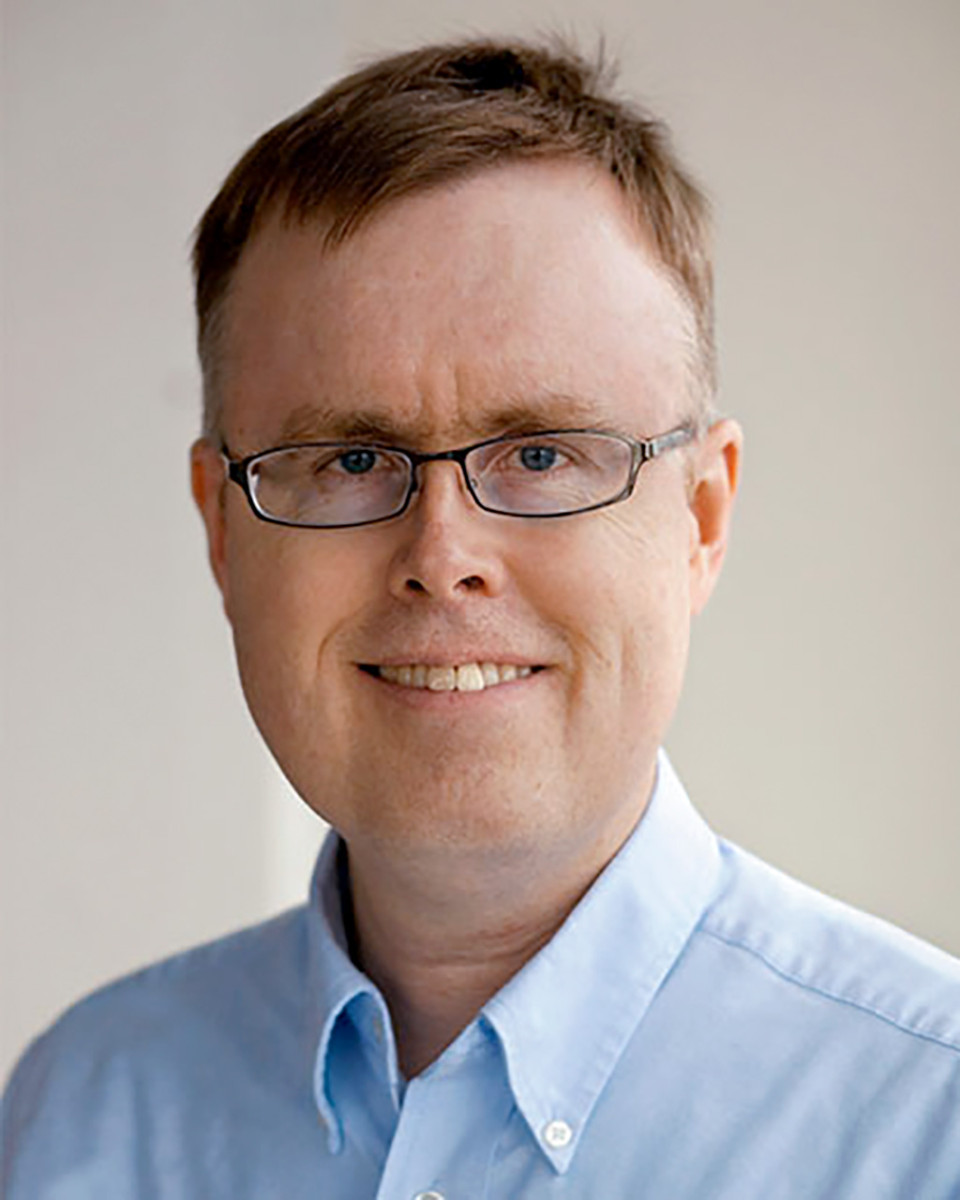
Daniel Ralph
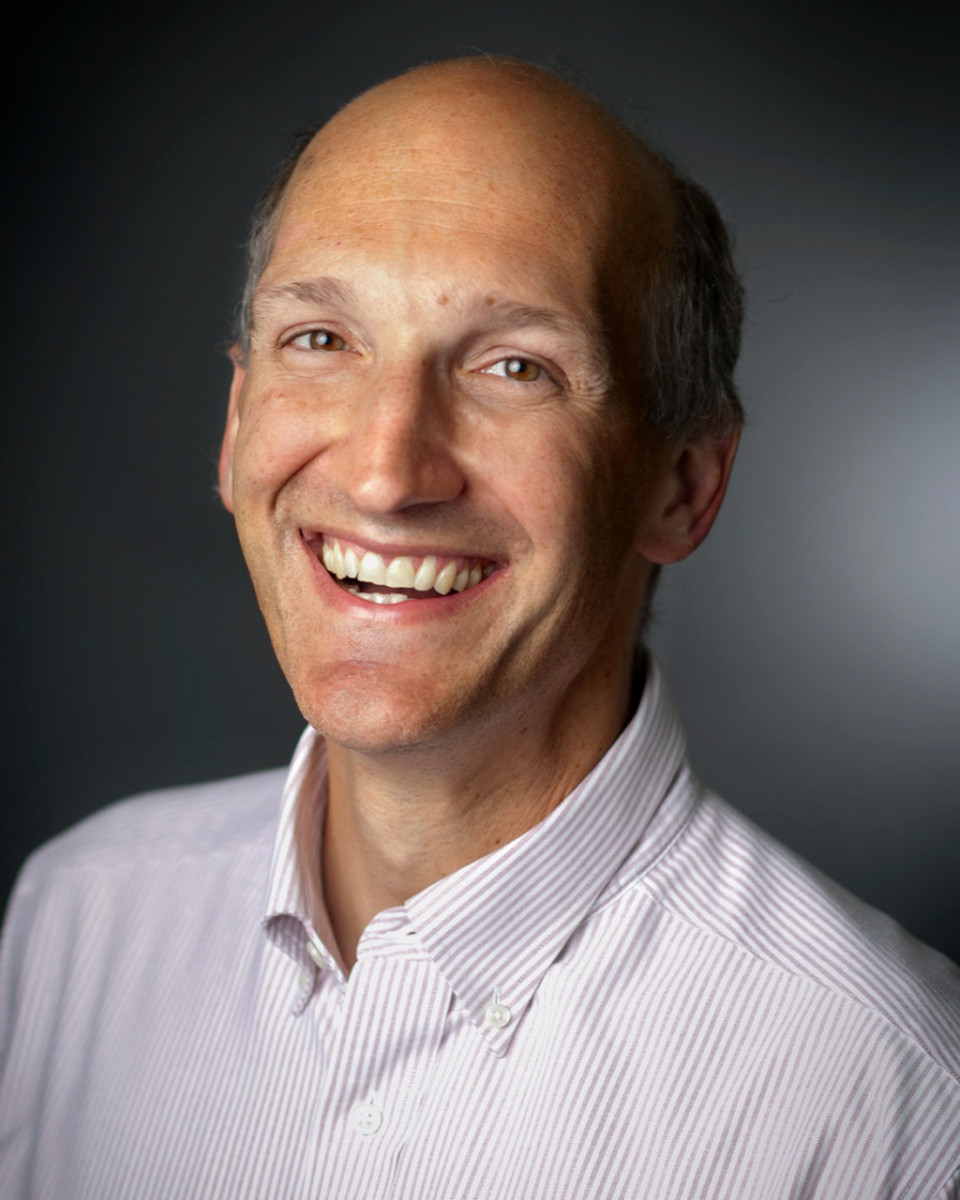
Darrell Schlom
Ralph and Schlom, both members of the Kavli Institute at Cornell for Nanoscale Science, are among 120 members and 25 international members elected this year in recognition of their distinguished and continuing achievements in original research. With the newest elections, there are now 2,705 active members and 557 international NAS members.
Ralph’s research focuses on the electronic, magnetic and optical properties of nanometer-scale samples. The work in the Ralph Group consists of making nanometer-size devices using equipment at the Cornell NanoScale Science Technology Facility (CNF) and studying their properties. One highlight is experiments to reveal the “spin-transfer torque effect” – a phenomenon by which the magnetic orientation of a small magnet can be manipulated by transferring angular momentum from a current of spin-polarized electrons, rather than by using magnetic fields. This effect is now the basis of commercial magnetic random access memories.
Ralph, who received his bachelor’s in physics and mathematics from Vanderbilt University in 1986, joined the Cornell faculty in 1996. He was the Lester B. Knight Director of CNF from 2010-16 and served as chair of the Department of Physics from 2021-24.
Schlom’s research focuses on the science of synthesis and in particular working as a collaborative team with theorists and other experimentalists to make, measure and perfect new oxide materials with exciting properties relevant to electronics. The Schlom Group specializes in creating new materials with atomic layer precision enabling their fundamental properties to be assessed. This includes discovering oxides that are magnetic, ferroelectric, both at the same time or even superconducting.
Schlom received his bachelor’s from California Institute of Technology in 1984, and his master’s (’89) and Ph.D. (’90) from Stanford University. He is a fellow of the American Physical Society, the American Vacuum Society and the Materials Research Society. In 2017 he was elected into the National Academy of Engineering.
A total of 76 Cornellians have been elected to the NAS, which is a private, nonprofit institution, established under a congressional charter signed by President Abraham Lincoln in 1863.
Media Contact
Get Cornell news delivered right to your inbox.
Subscribe