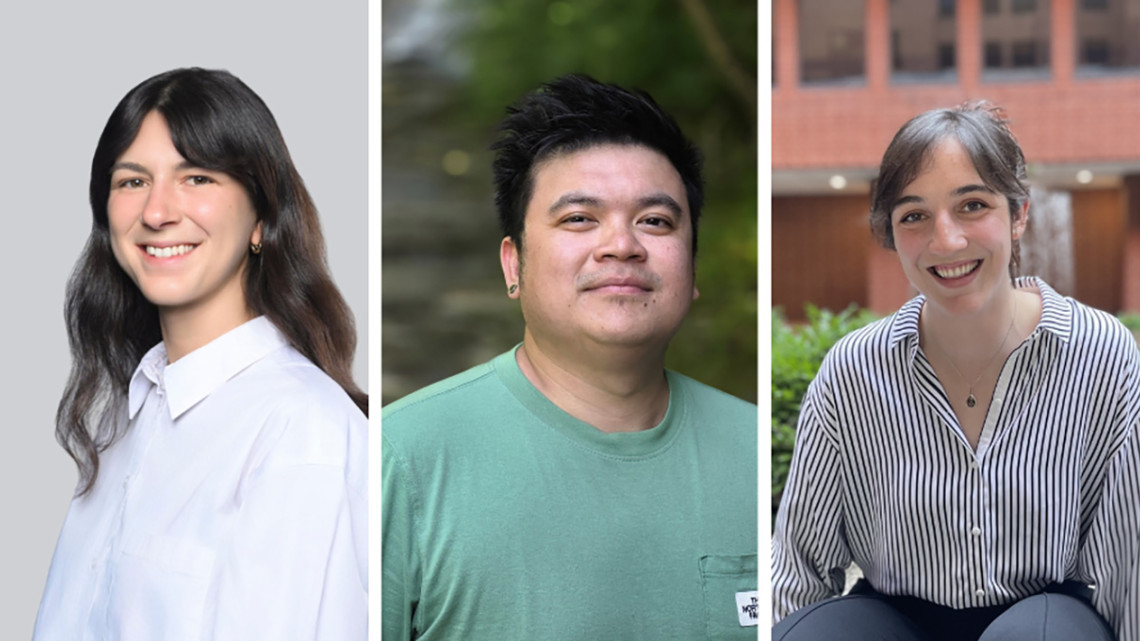
Selected for the 2026 Cornell Atkinson Postdoctoral Fellowship Program, Giulia Crippa, Albebson Lim, and Margaret O'Connell will pursue research addressing some of today's most pressing sustainability challenges.
News directly from Cornell's colleges and centers
2026 Atkinson postdocs improve antibiotics, emissions data, green transition
By Krisy Gashler
Growing up in the Philippines, tuberculosis was part of everyday life, said Albebson Lim, a postdoctoral associate in microbiology. TB is treatable with antibiotics, but overuse and misuse have led to increasing numbers of Filipinos developing antibiotic-resistant TB. As a new Cornell Atkinson Postdoctoral Fellow, Lim searches oceans and soils for compounds with new mechanisms that could become part of the next generation of antibiotics.
“I don’t want to see a future where our antibiotics don’t work,” Lim said. “This is a big concern for humans, but also for livestock and crops. A big reason I was interested in the Cornell Atkinson fellowship is because the program supports tackling antimicrobial resistance through a One Health approach, which connects human health, environmental health and food security.”
Lim is one of three new Cornell Atkinson Postdoctoral Fellows appointed in 2026. These early career scholars conduct research co-mentored by a Cornell faculty member and an adviser from an external partner organization. Fellows hold three-year appointments, and this is the program’s 12th year.
Giulia Crippa, another 2026 fellow, studies how selective reporting of corporate emissions biases the data that investors and policymakers rely on. In the U.S. disclosure is voluntary, and the firms that stay silent are not a random sample. Crippa’s work shows that non-reporting firms tend to be higher emitters, and she develops methods to correct for that missing data so that emissions estimates, and the financial products built on them, are not skewed by who chooses to report.
“For people in finance, it is very important to have strong connections with people in science, and that’s what drew me to the Cornell Atkinson fellowship,” Crippa said. “Most often, you have scientists talking with other scientists, and finance people talking with other finance people. But bridging those worlds is critical to building strong financial products that can be used by banks, pension funds and asset management firms to support sustainable investing.”
Maggie O’Connell, the third new fellow, earned her undergraduate degree in chemical and biological engineering and was interested in strengthening technologies to address climate change. But during her doctoral program at Northwestern University, she began working with the Native Ojibwe people living in the Great Lakes region on proposed projects that sought to mine the critical minerals used in green technologies like solar panels and electric cars. In the U.S. and globally, more than half of such mineral-mining projects are on or near the lands of Indigenous peoples. O’Connell came to view this problem at the nexus of food, energy, water, health and sovereignty.
“When we think about climate change, there’s the objective part – we have to reduce greenhouse gas emissions as quickly as possible, and here are some technologies that can do that,” she said. “But when we think about what a sustainable future looks like, that has to also involve upholding human rights, and respecting lands and Indigenous Peoples. We can’t mitigate climate change through the same kinds of extractive industries and practices that got us into this problem.”
The 2026 Cornell Atkinson Postdoctoral Fellows will explore:
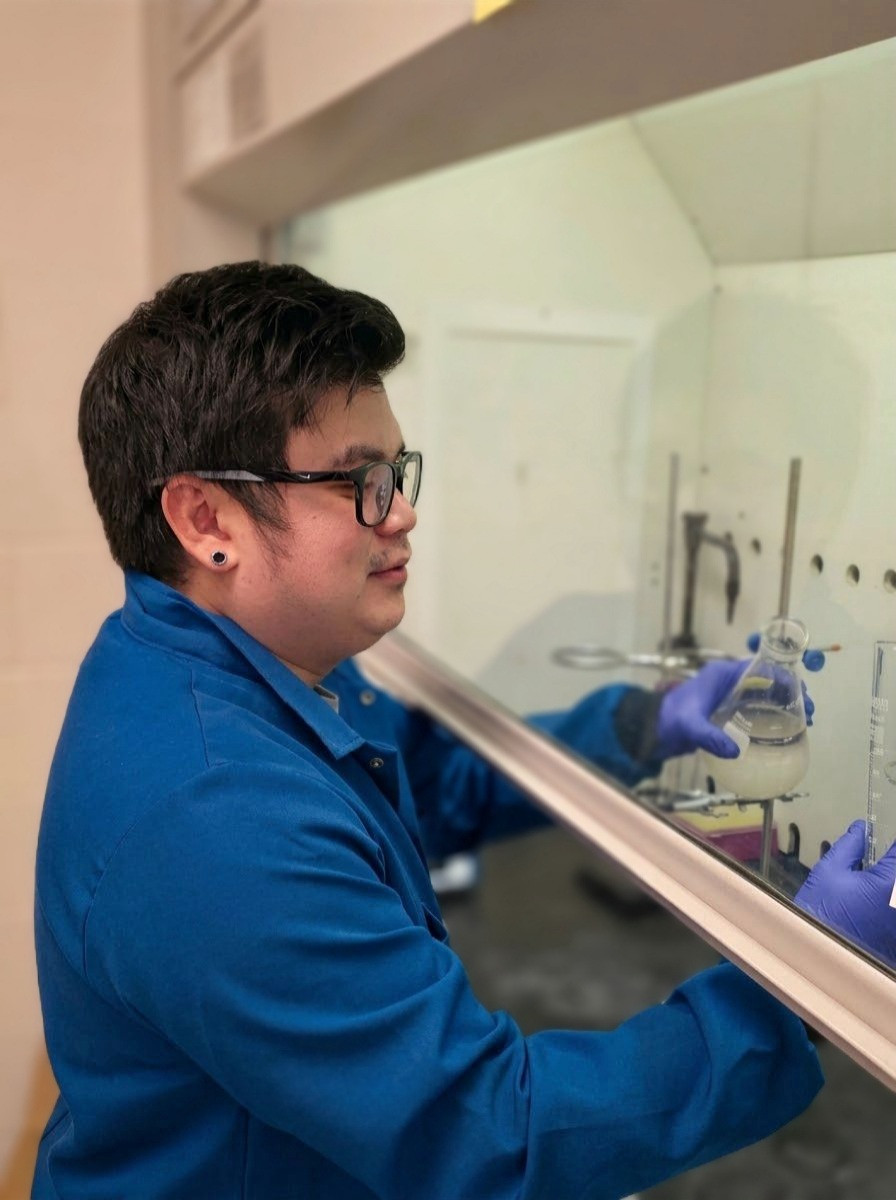
Albebson Lim’s research searches for new antimicrobial compounds that could support more effective and sustainable disease management.
Albebson Lim: Harnessing Natural Soil Bacteria for Sustainable Pest Control
The bacterium Streptomyces, which exists in soils, is the main source of antimicrobial agents. However, Streptomyces has thus far been underutilized in agricultural settings. This project aims to discover new compounds from Streptomyces that could be used to combat agricultural pathogens that are resistant to existing products.
Cornell faculty mentor: Kelley Gallagher, assistant professor of microbiology in the College of Agriculture and Life Sciences (CALS)
External advisor: Barrie Wilkinson, co-founder of Isomerase Therapeutics

Giulia Crippa's research examines hidden corporate emissions and the policies needed to improve transparency in climate finance.
Giulia Crippa: The Environmental Cost of Missing Information
High-emitting firms often withhold or selectively report carbon data, creating a systematic understatement of emissions that misleads investors and regulators. This project will estimate the magnitude of hidden financed emissions and assess how mandatory disclosure reforms improve both informational integrity and environmental outcomes.
Cornell faculty mentor: David Ng, professor of finance in the Cornell SC Johnson College of Business
External advisor: Julien Mazzacurati, senior economist with the European Securities and Markets Authority
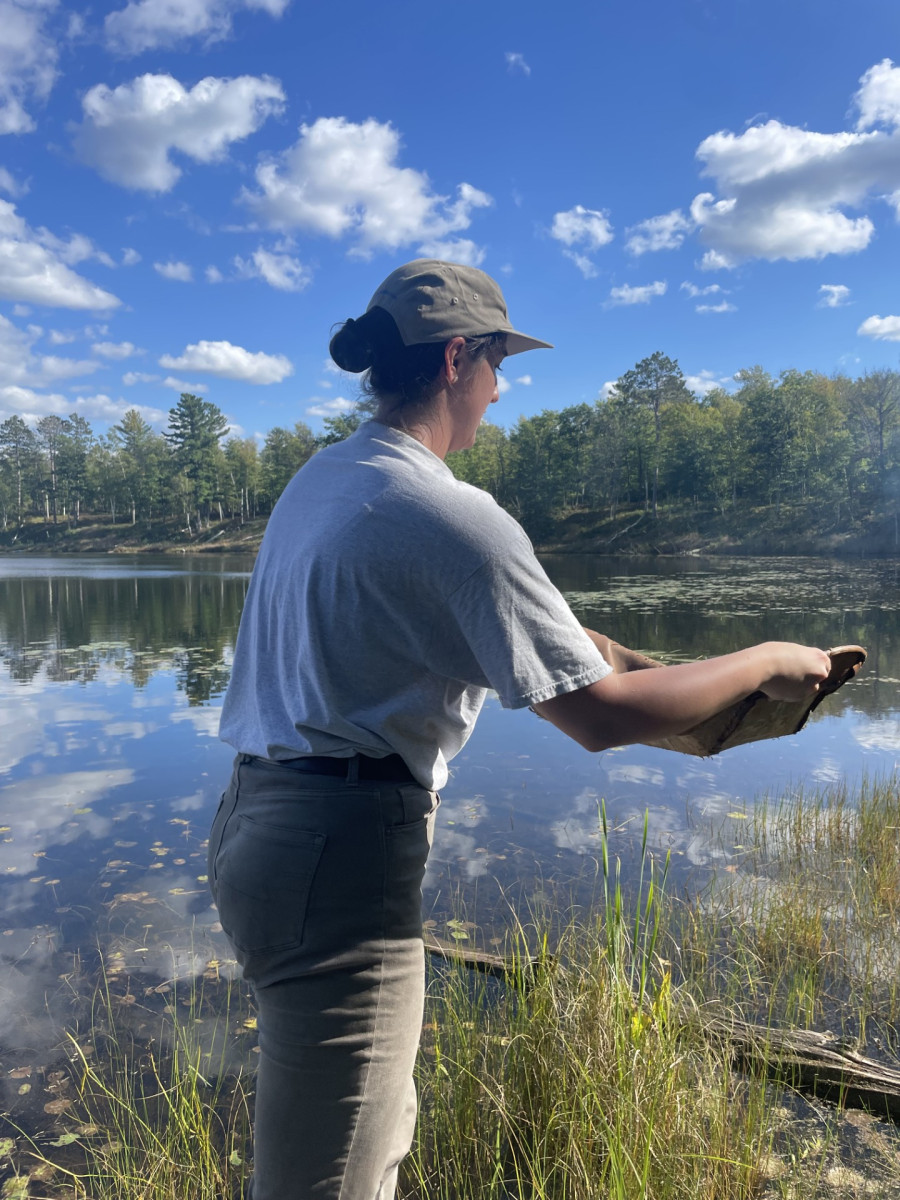
Maggie O’Connell will develop a framework that translates national-level climate and mining data into local food, health, environmental, and ecological impacts.
Margaret O’Connell: Realizing a Just Transition through Ojibwe Gikendaasowin and the Food-Energy-Water-Health Nexus
This project will develop a framework that translates national-level climate and mining data into local food, health, environmental, and ecological impacts. In partnership with the Mille Lacs Band of Ojibwe, O’Connell will co-create a methodology that is useful for the Ojibwe people and can be adapted to serve other communities.
Cornell faculty mentor: Michael Charles, assistant professor of biological and environmental engineering in CALS
External advisor: Kelly Applegate, commissioner of natural resources for the Misi-zaaga’iganiing (Mille Lacs Band of Ojibwe)
Krisy Gashler is a writer for the Cornell Atkinson Center for Sustainability.
Media Contact
Get Cornell news delivered right to your inbox.
Subscribe