Two from Cornell elected 2025 AAAS Fellows
By Tom Fleischman, Cornell Chronicle
Two Cornell faculty members have been elected fellows of the American Association for the Advancement of Science (AAAS), the world’s largest general scientific society.
The Cornell electees are Lara Estroff, chair of the Department of Materials Science and Engineering and the Herbert Fisk Johnson Professor of Industrial Chemistry in Cornell Duffield College of Engineering; and Klaas van Wijk, professor in the School of Integrative Plant Science, Plant Biology Section, in the College of Agriculture and Life Sciences.
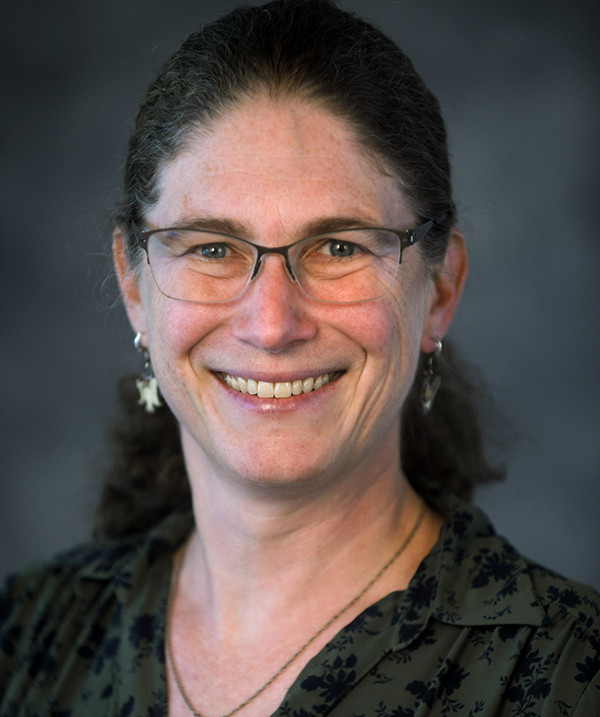
Lara Estroff
The association elected 449 new fellows in 2025, honoring their efforts to advance research and its applications in scientifically or socially distinguished ways.
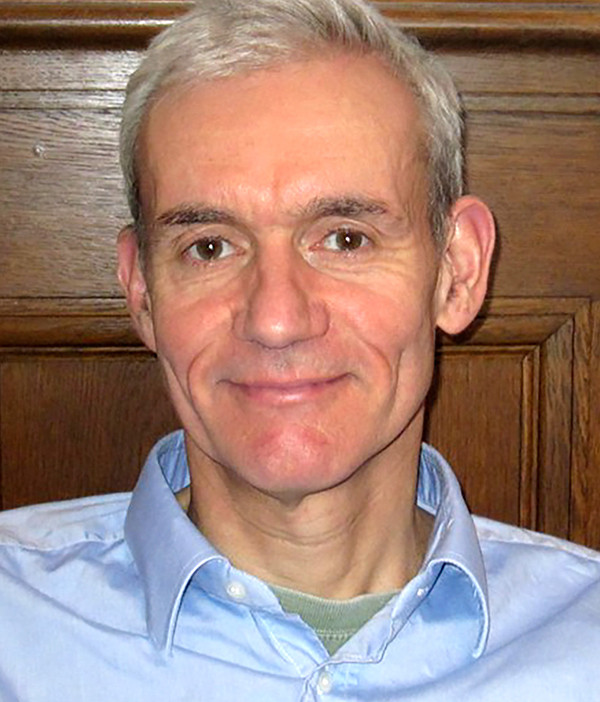
Klaas van Wijk
“This year’s AAAS Fellows have demonstrated research excellence, made notable contributions to advance science, and delivered important services to their communities,” Sudip S. Parikh, AAAS chief executive officer and executive publisher of the Sciencefamily of journals, said in a statement. ”These fellows and their accomplishments validate the importance of investing in science and technology for the benefit of all.”
New fellows, representing all 24 of AAAS’s disciplinary sections, will be presented with an official certificate and a rosette pin of gold and blue, representing science and engineering, respectively. The annual Fellows Forum is scheduled for May 29 in Washington, D.C.
Estroff was honored for “insightful research on bio-inspired materials synthesis, including understanding biomineralization and crystal growth mechanisms, as well as impactful academic leadership.” Estroff studies the fundamentals of solution crystal growth mechanisms, with applications in fields ranging from biomineralization and pathological mineralization to synthetic bio-inspired crystalline materials.
The Estroff Research Group has concentrated its research efforts in four general areas: state-of-the-art materials characterization; in situ evaluation of crystal growth mechanisms in materials ranging from the biologically relevant calcite to hybrid perovskites, an emerging photovoltaic material; the development of bio-inspired synthetic strategies to create new crystalline materials; and the design of in vitro models of cell-mineral interactions and tissue engineered constructs that recapitulate key features of biomineralization.
Van Wijk was recognized for “distinguished contributions to the field of plant proteomics, photosynthesis and chloroplast biology, particularly discovering mechanisms underlying chloroplast proteostasis, degrons, biogenesis and differentiation.” Research in the van Wijk lab focuses on: control of organellar protein homeostasis (proteostasis) through coordinated action of proteolytic systems in chloroplasts; and the role of lipo-protein micro-compartments, named plastoglobules, within chloroplasts to coordinate developmental transitions and stress responses.
A separate line of research is focused on harnessing large-scale, world-wide Arabidopsis and maize proteomics data to create comprehensive community proteomics resources (PeptideAtlas) to obtain biological insights. The lab uses an interdisciplinary approach, including molecular genetics, protein biochemistry, structural biology, mass spectrometry-driven proteomics, in silico RNA and protein systems analysis. To support the proteomics workflow, the van Wijk lab has an in-house mass spectrometer, as well as a plant proteome database.
Founded in 1848, the American Association for the Advancement of Science comprises more than 250 affiliated societies and academies of science, serving 10 million individuals. The first AAAS fellows were elected in 1874.
Media Contact
Get Cornell news delivered right to your inbox.
Subscribe