Tracy Mitrano JD '95 will be the moderator of a panel discussion on the 2022 midterm elections, held the day after the voting at the Cornell Jeb E. Brooks School of Public Policy. The in-person event features three prominent Cornell political scientists.
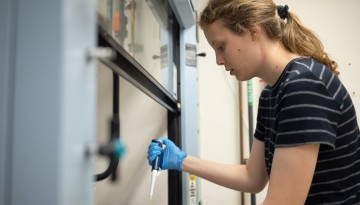
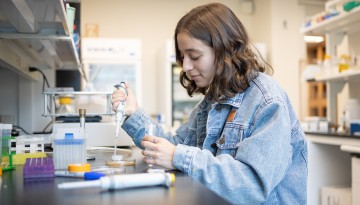
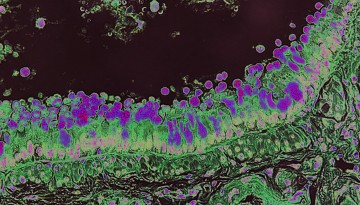
The study found that dietary inulin fiber alters the metabolism of certain gut bacteria, which in turn triggers what scientists call type 2 inflammation in the gut and lungs.
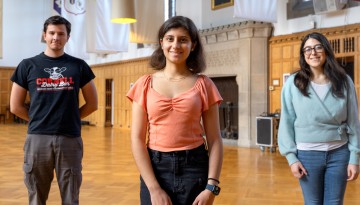
For the first time, nearly all Cornell students who live on campus will be able to vote on campus in a general election, thanks in part to the advocacy of the student group Cornell Votes.
In a new book, “Seeking Truth and Hiding Facts,” Jeremy Lee Wallace, associate professor of government, explains why a few numbers long defined Chinese politics – until they no longer measured up.
At the upcoming Conference of the Parties – best known as COP27 – 11 Cornell students will help delegations from small countries gain a stronger environmental voice.
The Eclectic Convergence conference included talks from six entrepreneurs, business executives and venture capitalists, as well as a pitch competition.
From Ken Roberts' recent research in Ecuador and evidence ripped from headlines worldwide, when political parties stoke partisan conflicts – often by contesting formal state institutions, like systems for managing elections – actual democratic capacity may take a hit as public opinion polarizes.