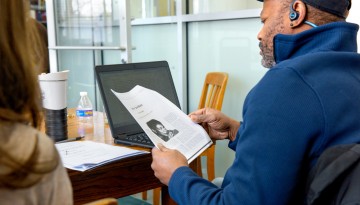
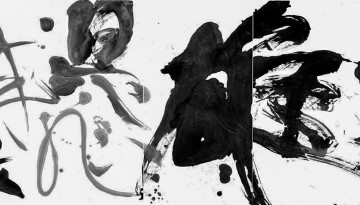
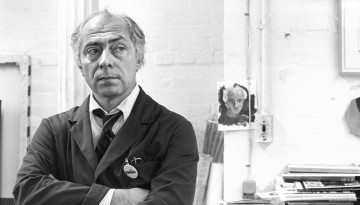
Events at Cornell include a cat video festival; performances inspired by Taiwanese artist Tong Yang-Tze; a concert and master classes with the Chamber Society of Lincoln Center; and a celebration of Robert Moog.
Events at Cornell include the Martin Luther King, Jr. Commemorative Lecture with Yusef Salaam; pianist Philip Carli and silent films at Cornell Cinema; astrophysicist David Stevenson, Ph.D. '76; and the 2020 Backyard Bird Count.
Nearly 70 professionals from around the world have become Cornell Climate Online Fellows, as they take action locally to battle atmospheric greenhouse gas and ask others to join in.
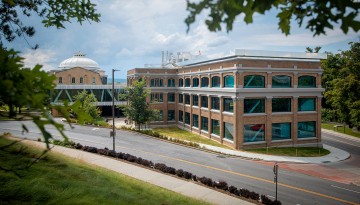
Cornell’s Mui Ho Fine Arts Library in Rand Hall earned the U.S. Green Building Council’s Leadership in Energy and Environmental Design Gold certification in late January.
Faculty and students from Cornell departments teaching design studios and design thinking will exchange ideas to foster connections between fields and strengthen pedagogy at the inaugural Design@Cornell Roundtable Feb. 14.
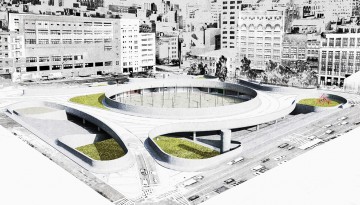
Dasha Khapalova of the College of Architecture, Art and Planning has been honored by the Architect’s Newspaper for a proposal to transform the space near the Holland Tunnel Exit Plaza in lower Manhattan.