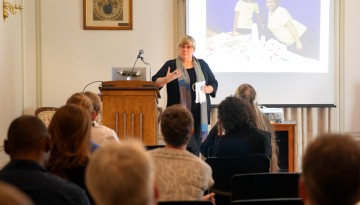
Poetry and performance, as well as more traditional presentations, were among the nine projects highlighted in the first Rural Humanities Showcase, held Sept. 6 in the A.D. White House.
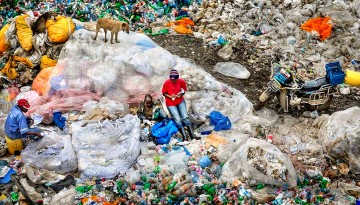
Events this week include a climate rally, talks and films on climate change; a play depicting a soccer team’s coming of age; and a celebration of Korean language and culture.
The Cornell Neurotech Mong Family Foundation Lecture, Thursday, Sept. 26, will feature renowned neuroscientist David J. Anderson of Caltech, who will discuss “Neural Circuits Controlling Innate Social and Defensive Behaviors.”
The U.N.’s Global Sustainable Development Goals report – prepared by independent scientists, including Cornell’s Parfait M. Eloundou-Enyegue – was delivered Sept. 10 to the U.N. Secretary-General.
Paul Chaikin, professor of physics at New York University, will give this fall’s Hans Bethe Lecture, “How Many M&M’s in That Jar? Particle Packings, Frustration and Why Things Crystallize,” Oct. 2 at 7:30 p.m. in Schwartz Auditorium.
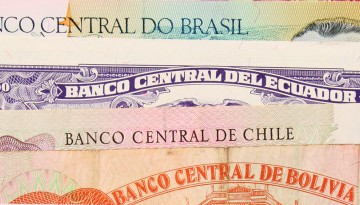
“The Political Economy of Taxation in Latin America,” a new book edited by associate professor Gustavo Flores-Macías, examines how decades of tax reform in Latin America have done little to stem the tide of widespread tax evasion there.
Eleven Cornell students worked all summer to move their businesses forward, thanks to the Marla and Barry ’90 Beck Entrepreneurship Fellows Program, which supports students in their entrepreneurial pursuits.
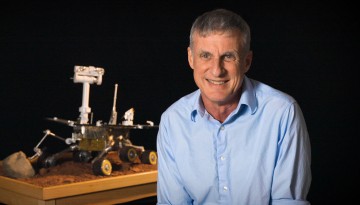
Steve Squyres ’78, Ph.D. ’81, who has taught astronomy, conducted research and chaperoned two Mars rovers to Earth’s rust-colored neighbor, will retire from Cornell Sept. 22.