The Ruminant Farm Systems modeling tool is available for open-source collaboration, and is available, free of charge, to all U.S. dairy farmers through the National Dairy FARM Program.
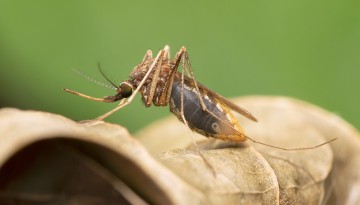
The threat of mosquito-borne diseases, which climate change is expected to exacerbate, highlights local politics’ pivotal and understudied role in public health.
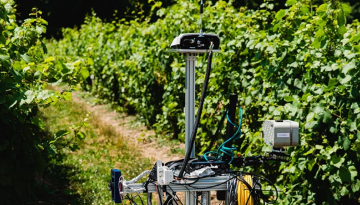
The Cornell Institute for Digital Agriculture has announced the recipients of its 2025 Research Innovation Fund faculty and student grants supporting new, cross-disciplinary projects designed to improve global food systems via digital innovation.
Cornell researchers have identified an antibiotic, rifampin, that is 99.9% effective against Salmonella Typhi, the bacterium that causes typhoid fever.
When cats get sick with H5N1 avian influenza, they get severely ill, with up to 70% of affected cats dying, but little is known about how the virus spreads in cats.
The honor is presented annually, recognizing awardees on campuses across the SUNY system for their commitment to sustaining intellectual vibrancy, advancing the boundaries of knowledge, providing the highest quality of instruction and serving the public good.
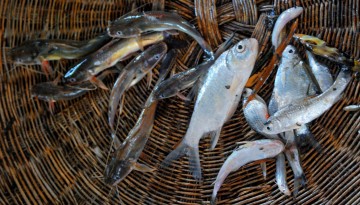
To satisfy the seafood needs of billions of people, offering them access to a more biodiverse array of fish creates opportunities to mix-and-match species to obtain better nutrition from smaller portions of fish.