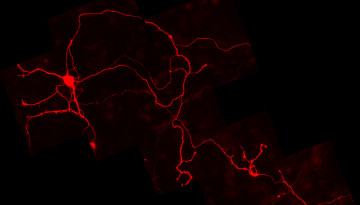
Dopamine neurons in a part of the brain called the midbrain may, with aging, be increasingly susceptible to a vicious spiral of decline driven by fuel shortages, according to a study led by Weill Cornell Medicine investigators.
Horses exposed early in life to an allergen were less likely to react when exposed again later in life, according to a new study of Icelandic horses at Cornell.
Cornell researchers tallied the environmental benefits of New York City’s congestion pricing program and found air pollution dropped by 22% in Manhattan, with additional declines across the city’s five boroughs and surrounding suburbs.
Scholars converged at Cornell to talk about lessons policymakers and elected officials could glean from their research into the COVID pandemic to help deal with the next public health emergency.
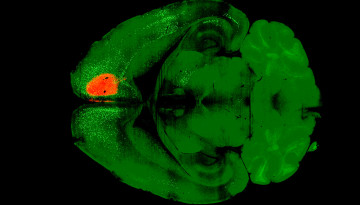
An international collaboration led by Cornell researchers used a combination of psilocybin and the rabies virus to map how – and where – the psychedelic compound rewires the connections in the brain.
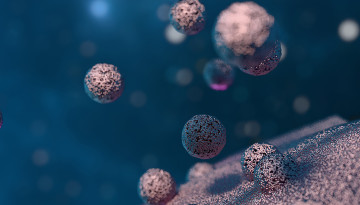
In 2025, four companies with Cornell-originated technologies — SafetyStratus, Bactana Corporation, Guard Medical and Halo Labs — were acquired by global corporate partners, allowing Cornell technologies to reach broader markets.
Dr. Despina Siolas, assistant professor of medicine at Weill Cornell Medicine and an oncologist at NewYork-Presbyterian/Weill Cornell Medical Center, is working on personalizing treatment for pancreatic cancer, which is often diagnosed too late.
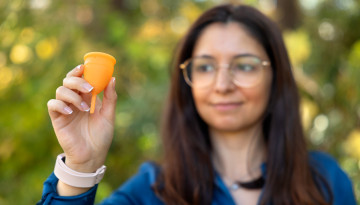
To equip astronauts with health choices for future missions, a Cornell postdoctoral fellow is leading research with AstroCup, a group that recently tested two menstrual cups in spaceflight as payload on an uncrewed rocket flight.