The grant from The Andrew W. Mellon Foundation’s Just Futures Initiative will bring together scholars from across the university and beyond to study the links between racism, dispossession and migration.
The new, collaborative Precision Behavioral Health Initiative aims to use both smart devices and artificial intelligence to help individuals, and their doctors, monitor and manage behavioral health.
To deflect future world food crises created by climate change, a Cornell-led international group has created a road map for global agricultural and food systems innovation.
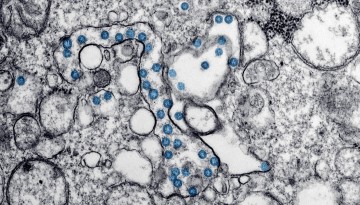
A Cornell-led COVID-19 patient registry, organized by Weill Cornell Medicine, continues to be a source of medical insight into the workings of the novel coronavirus and treatment of infected patients.
Cornell Atkinson is soliciting nominations for The Earthshot Prize, a new global award supported by The Duke and Duchess of Cambridge to tackle the world’s biggest environmental challenges.
Space travel, illnesses like COVID-19 and climbing Mount Everest can trigger the body’s stress response systems in similar ways, according to new studies by Weill Cornell Medicine, space agencies and other investigators.
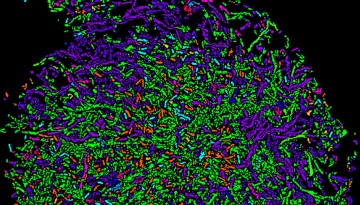
Cornell researchers developed an imaging tool to create intricate spatial maps of the locations and identities of hundreds of different microbial species, such as those that make up the gut microbiome.
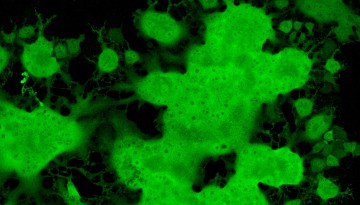
Scientists at the College of Veterinary Medicine developed a new technology for studying viruses directly in their host cells, opening the door to finding a functional cure for HIV – and a possible tool in the fight against COVID-19.
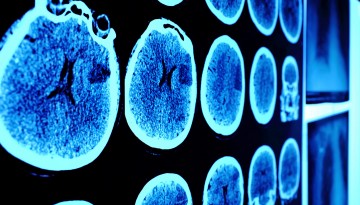
Marcos Simoes-Costa in the Department of Molecular Biology and Genetics, and Dan A. Landau with Weill Cornell Medicine have both been awarded $600,000 from the Sontag Foundation to advance their research into brain cancer.