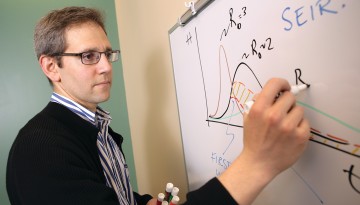
Mathematical modeling by Weill Cornell Medicine is helping to guide New York state and New York City leaders as they make decisions that could affect the trajectory of the COVID-19 pandemic.
With lives and livelihoods on pause due to COVID-19, Cornell’s Institute of Politics and Global Affairs hosted a TeleTown Hall April 8 to explore a potential timeline for treatment.
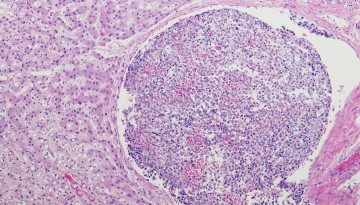
A new study identifies some of the most critical genes that may drive a rare but deadly liver cancer, providing a road map for developing drugs that target those genes.
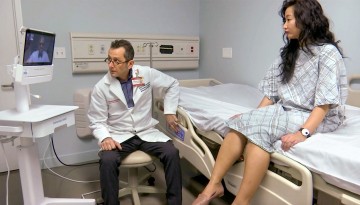
As hospitals and emergency departments urge more patients to stay home to avoid exposing themselves to COVID-19, patient care is moving to “telemedicine,” using web-based video and audio technology.
Virtual events and online Cornell resources include a special organ performance, and workshops on workplace health and safety, continuing community-engaged projects and new immigration policy changes.
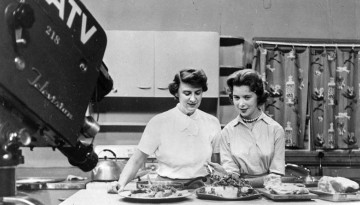
The university beginning online classes for the remainder of the semester continues a long history of remote instruction. Liberty Hyde Bailey and Martha Van Rensselaer designed Cornell’s first correspondence courses in 1896 and 1900, respectively.
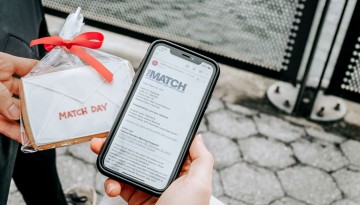
While the traditional in-person Match Day celebration hosted on Weill Cornell Medicine’s campus was canceled due to COVID-19, fourth-year graduating students found creative ways to celebrate their accomplishments.
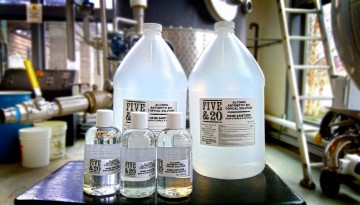
In the battle to keep workers safe during the COVID-19 pandemic, nearly 40 craft distilleries in New York state have turned to making hand sanitizer with guidance from Cornell AgriTech.