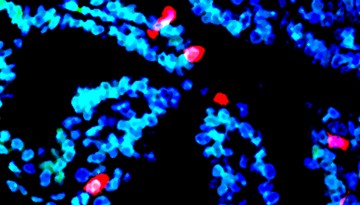
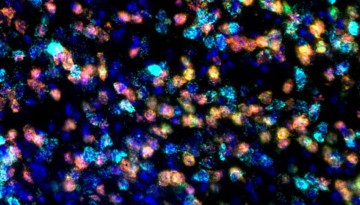
Researchers have identified the origin of ovarian cancer that develops in the fallopian tube, which opens doors to discovering new methods for diagnosing the disease and potential therapies.
The findings could lead to new treatments targeting a particular protein to better manage inflammation in patients who don’t respond well to existing therapies.
A new technology enables the control of specific brain circuits non-invasively with magnetic fields, according to a preclinical study from researchers at Weill Cornell Medicine, the Rockefeller University and the Icahn School of Medicine at Mount Sinai.
A study led by researchers at Weill Cornell Medicine and the New York Genome Center found that antiviral enzymes that mutate the DNA of normal and cancer cells are key promoters of early bladder cancer development.
A year of hackathons kicks off Oct. 25-27 with the Food Hackathon in Stocking Hall, which focuses on finding solutions that address hunger, poor nutrition, food waste and other food-related challenges.