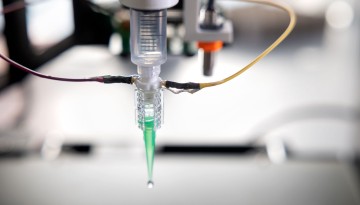
A smart sensor that attaches to the tip of a syringe can measure, in real time, the concentration and viability of the cells that pass through it – a potential breakthrough for biomedical 3D printing and cell therapy.
About half of patients with metastatic melanoma treated with a combination of immune checkpoint inhibitors survive cancer-free for 10 years or more, according to a report from Weill Cornell Medicine and Dana-Farber Cancer Center investigators.
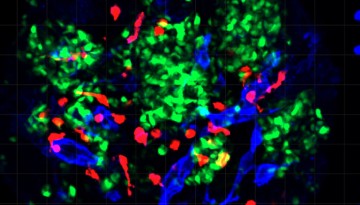
Researchers have used a cutting-edge model system to uncover the mechanism by which SARS-CoV-2 induces new cases of diabetes and worsens complications in people who already have it.
Scientists at Weill Cornell Medicine in Qatar have created an intricate molecular map of the human body and its complex physiological processes based on the analysis of thousands of molecules in blood, urine and saliva samples from 391 volunteers.
Climate Week NYC will get a Big Red tint as Cornell researchers suggest carbon solutions for the travel industry, discuss agricultural methane and participate in a nuclear energy conference.
A two-day training program for the New York State Department of Homeland Security and Emergency Services helps local health officials and first responders convey key messages in a crisis.
A Cornell-led collaboration developed machine-learning models that use cell-free molecular RNA to diagnose pediatric inflammatory conditions that are difficult to differentiate.
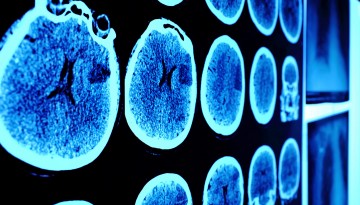
By repeatedly scanning the brains of a small group of patients for a year and a half, Weill Cornell Medicine researchers have identified a distinct pattern of neuronal interactions that appears to predispose some people to developing depression.