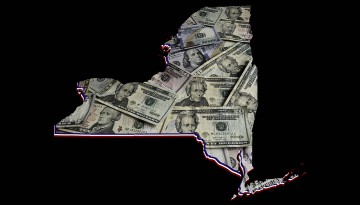
The Cornell ILR Wage Atlas shows who in New York state earns living wages and where, helping policymakers and other stakeholders to understand patterns of inequality.
Celebrating its 16th year at Cornell, the Soup & Hope speaker series returns to Sage Chapel on Jan. 12 with stories that connect to the university’s new commitment as a health-promoting campus – a theme that resonates with participants as dedicated work continues in support of mental health and wellness at Cornell.
Freedom on the Move is a collective digital history archive of “runaway slave” advertisements published in North American newspapers in the 18th and 19th centuries.
A first-of-its-kind study of parents’ work arrangements during the pandemic shows that mothers working from home increased their supervisory parenting fully two hours more than fathers did, and women were also more likely to adapt their work schedules to new parenting demands.
A Cornell-based database of “runaway ads” placed by enslavers in 18th- and 19th-century U.S. newspapers was the starting point for a new song cycle entitled “Songs in Flight” that will premiere Jan. 12 at the Metropolitan Museum of Art in New York City.
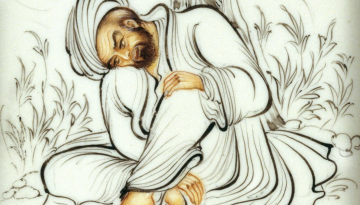
Cornell students have until January 3 to enroll in Winter Session's newest offering: Introduction to World Poetry. The online course is led by Alan Scott Weber, a professor of English who teaches humanities at Weill Cornell Medicine-Qatar. Winter Session Online runs January 3 –20. 2023.
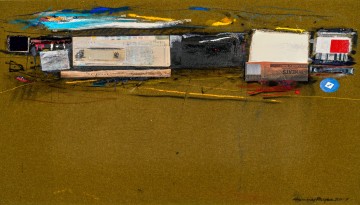
David Kimelberg, J.D. ’98, a member of the Seneca Nation, is helping Indigenous artists from around the world achieve recognition through his gallery in Buffalo, New York.
President Martha E. Pollack has established a task force to interrogate all aspects of the undergraduate admissions process and to recommend a universitywide admissions policy and best practices that will be guided by Cornell’s founding mission and can be adapted by the admissions offices of each school and college.