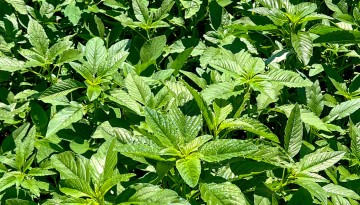
New research confirms glyphosate-resistant waterhemp for the first time in New York state, with significant consequences for soybean growers, many of whom use the herbicide as their primary method of weed control.
With a ceremonial ribbon-cutting, Interim President Michael I. Kotlikoff on March 11 officially launched the Abruña Energy Initiative Level 3 EV fast-charging station, named in honor of initiative founder Héctor D. Abruña, professor of chemistry.
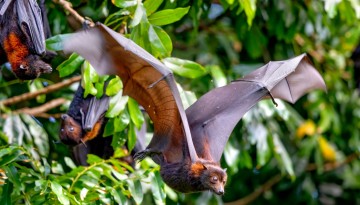
When bats lose access to their habitat and natural food sources, they seek food on agricultural lands - new research explains why, when their diets change, they shed more virus and infect more hosts, increasing the risk of outbreaks and pandemics.
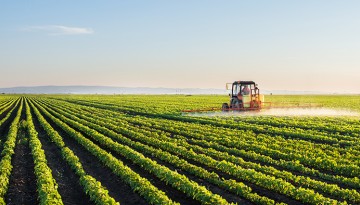
In the face of climate change, researchers estimate the U.S. investment in agricultural research needed to maintain productivity - finding it comparable to the investment made following the two world wars.
Financial markets could help society achieve both prosperity and equity, but investment in efforts to address pressing social problems is still underfunded, according to a panel of Cornell faculty.
A materials science and engineering student and his professor devised a low-cost, DIY way to increase the lifespan and efficiency of commercial photovoltaic modules: by lowering the panel’s operating temperature with phase-change materials.
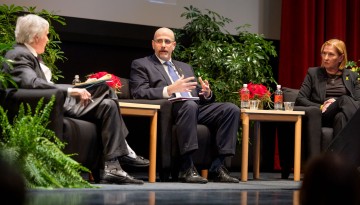
The event, held March 10 in Bailey Hall before an audience of several hundred students, faculty, staff and local community members, explored the complex politics, power dynamics and the historical and ethnic conflicts that have shaped the Mideast.