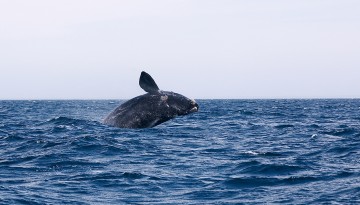
A Cornell-led team has developed a method to estimate North Atlantic right whale numbers using underwater microphones and machine learning, potentially offering a safer and more cost-effective way to monitor this endangered species.
An interdisciplinary team of Cornell researchers is developing HelioSkin, an aesthetically appealing solar-collection fabric that is inspired by the biological mechanisms that enable plants to bend toward the sun.
A $13 million endowment from the Dimond family will fund scholarships at the Cornell Peter and Stephanie Nolan School of Hotel Administration, as part of the university’s “To Do the Greatest Good” campaign.
The number of U.S. work stoppages decreased by 23.8% in 2024, compared to 2023, and the approximate number of workers decreased by 45.5%, according to a report published Feb. 19 by the ILR School and the University of Illinois.