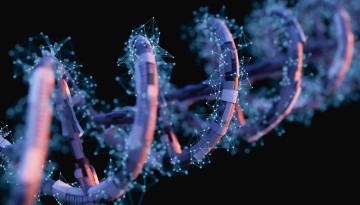
New nanophotonic tweezers developed by Cornell researchers can stretch and unzip DNA molecules as well as disrupt and map protein-DNA interactions, paving the way for commercial availability.
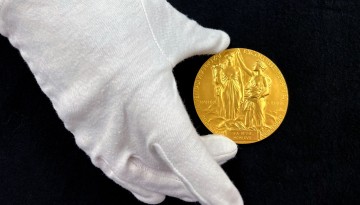
The family of Hans Bethe recently donated his Nobel Prize medal, earned for his theory on the energy production of stars, to the archives of Cornell University Library. The medal now holds a special place among the physicist's papers from his 60-year teaching career at Cornell.
The Division of Nutritional Sciences and partner RTI International won a five-year, $23 million award to coordinate research for the NIH’s Nutrition for Precision Health study.
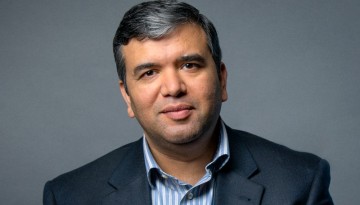
The Association for Computing Machinery, the world's largest and most prestigious society of computing professionals, has named Tanzeem Choudhury, Robert D. Kleinberg, and Steve Marschner 2021 ACM Fellows.
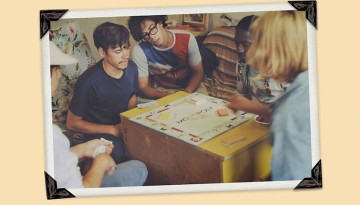
The intimacy of domestic space was a crucial aspect of LGBTQ life in the postwar era, according to historian Stephen Vider, who explores that history in his new book, “The Queerness of Home: Gender, Sexuality, and the Politics of Domesticity after World War II.”
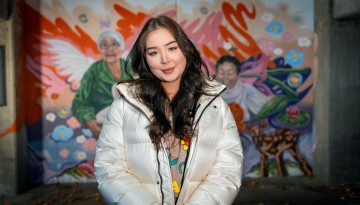
Yerkezhan Abuova ’23 memorialized her grandmothers in a Collegetown mural, painting them surrounded by animals, tulips and waterlilies. She hopes it will comfort viewers who grieve.
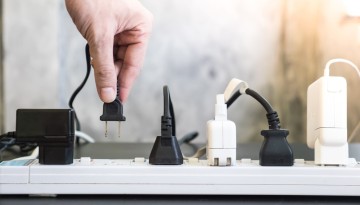
With over 20 years of deep investments in energy conservation on campus, staff are looking for creative partnerships with members of the campus community to identify new ways to save energy.
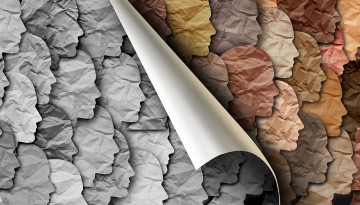
The threat of demographic change may alter who white Americans perceive as racial minorities, potentially making more people vulnerable to discrimination, suggests new Cornell psychology research.
The First Generation and Low Income Graduate Student Organization partnered with the Tompkins Cortland Community College to offer programming over the fall semester as part of their ongoing outreach initiatives.