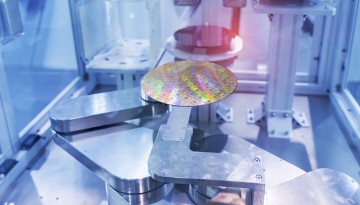
Cornell researchers have found that 3D semiconductor particles have 2D properties, which can be leveraged for photoelectrochemical processes that boost solar energy conversion technologies.
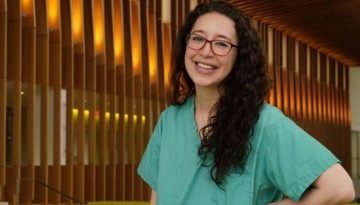
The Cornell University College of Veterinary Medicine has recently welcomed many new faculty members to its academic departments, each one bringing a unique set of skills and experience that enriches the college.
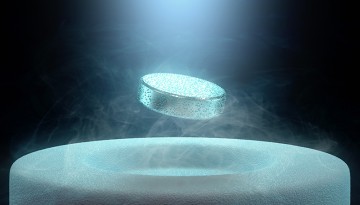
Researchers grew a thin film of one of the oldest known superconductors on top of a semiconductor, and for the first time measured the electronic properties of the junction between the two materials, paving the way for hybrid superconductor-semiconductor quantum devices.
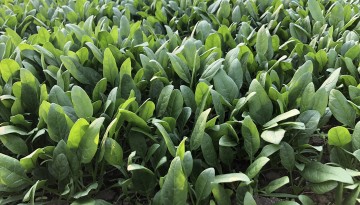
A team of researchers from Boyce Thompson Institute and six Chinese universities has identified genes in spinach that regulate its concentration of oxalate, which is responsible for “spinach teeth,” as well as genes that help the plant combat downy mildew, a major disease of commercial crops.
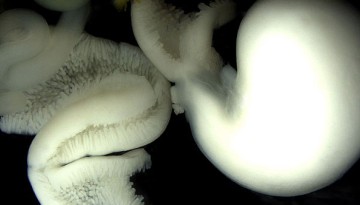
Research from the Kurpios lab reveals the complex signaling that directs formation of intestinal lacteals, the lymphatic channels required for fat absorption in vertebrates.
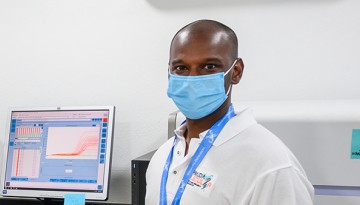
Cornell connections led virology scientist and MBA grad Pradeep Ambrose to help Bermuda grapple with a COVID surge and serve as interim science advisor.
Cornell will require all students, faculty and staff to have a COVID-19 vaccine and booster as part of comprehensive vaccination. The booster requirement must be met by Jan. 31, or 30 days after becoming eligible.