States with politically conservative leadership have productive workers, but anti-union state laws tamp down employee earnings without promoting local economic growth, according to new Cornell research.
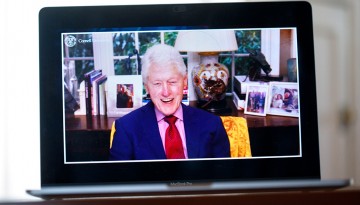
The 42nd president said keeping a democracy going is hard work, but expressed optimism for the nation's future during a March 18 webinar hosted by the Institute of Politics and Global Affairs.
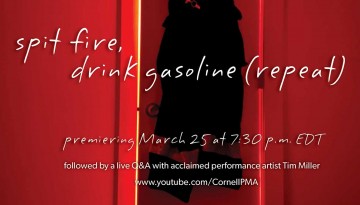
An original solo performance, “spit fire, drink gasoline (repeat),” created and presented by Levi Wilson ’21, will have its YouTube premiere on March 25 at 7:30 p.m., available to view anytime until April 25. The event includes a Q&A with internationally acclaimed performance artist Tim Miller.
New webinar series to kick off on March 25 as Dean Alex Colvin discusses “Unionization in Big Tech: Why Now?” with Chewy Shaw, Vice Chair of the Alphabet Workers Union and Jessica García, assistant to the president of the Retail, Wholesale Department Store Union.
The upgrades reflect Martha Van Rensselaer’s original philosophy for the College of Human Ecology, and the innovative, multidisciplinary institution it has evolved into over time.
For wineries, meeting COVID-19 guidelines was a sobering task, but some changes boosted business for the better, according to a Cornell survey presented at the recent B.E.V. NY conference.
Iterate Labs obtained funding for its artificial intelligence business that uses wearable sensors and computer vision to drive factory production and safety.