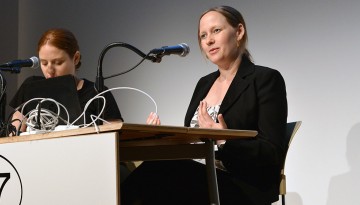
Kirstin Petersen, assistant professor of electrical and computer engineering, presented art inspired by her research at the New Museum in New York City in a program that pairs artists with technologists and challenges them to create something new.
Cornell’s Polson Institute for Global Development will host “Reducing Campus Food Waste: Innovations and Ideas,” a lecture and workshop May 2-3 on campus.
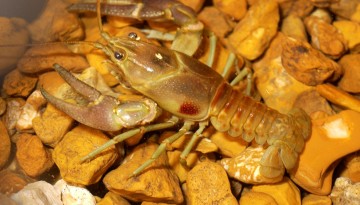
A new Cornell study shows that in lakes with muck and sand bottoms, the invasive rusty crayfish has been contributing to its own population decline by destroying the very plant life it needs.
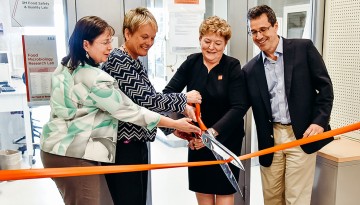
In April, Cornell’s College of Agriculture and Life Sciences and 3M, the Minnesota-based technology company, celebrated the renewal of their five-year partnership with the naming of the 3M Food Safety and Quality Lab, overseen by professor Randy Worobo.
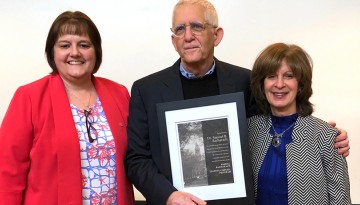
The Leading Cornell program has been renamed in honor of ILR Professor Samuel B. Bacharach, who has led the course’s design and facilitation since its inception in the fall of 2009.
The Institute for the Social Sciences has awarded 12 small grants to social science researchers in six colleges and schools at Cornell. The awards assist scholars as they develop new research and seek external funding.
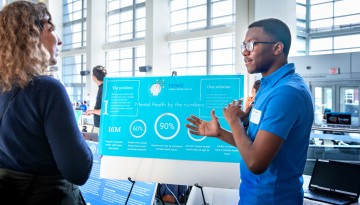
At the annual BOOM (Bits on Our Minds) showcase April 24 in Duffield Hall, more than 200 students used technology to try to solve problems large and small, local and international, for entertainment, convenience, increased equity or social good.
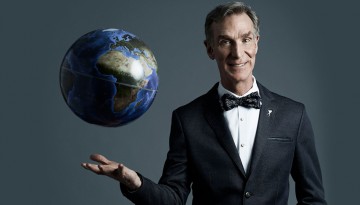
William S. Nye ’77 – known to millions as Bill Nye the Science Guy – will speak at Senior Convocation Saturday, May 25, at 12:30 p.m. at Schoellkopf Field during Cornell’s 2019 Graduation Weekend.