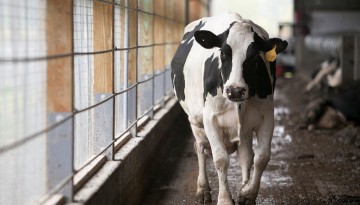
New York state students interested in dairy farming careers will get a boost thanks to a new scholarship program from Chobani and the College of Agriculture and Life Sciences.
The research group led by Grace Xing and Debdeep Jena presented research on a new gallium oxide field-effect transistor at a conference at the Massachusetts Institute of Technology May 29-June 1.
Discussions about the organizational structures of Cornell’s social sciences will continue throughout the summer and likely through the fall, administrators say.
The ILR School and the Aspen Institute Future of Work Initiative launched the Gig Economy Data Hub May 31 to help increase understanding of the gig economy and its workers.
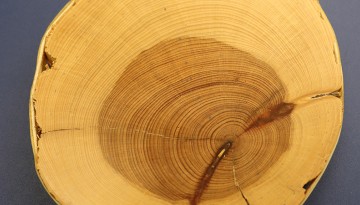
New research from a Cornell-led team reveals variations in the radiocarbon cycle diverging from the standard calibration curve used to achieve precise radiocarbon dating in archaeological and historical research.
A candidate forum will be held June 4, noon-1:30 p.m. in Klarman Auditorium to present candidates for the remaining two years of a currently vacant four-year employee-elected trustee term. Voting starts June 5.
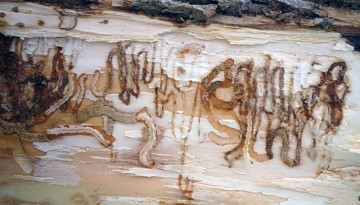
Discovered in Cornell’s Arnot Forest in March, evidence of the invasive emerald ash borer has been found in downtown Ithaca. Within the next several years, it will change the landscape of campus.