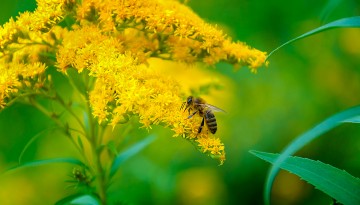
New research finds that, under threat, plants can communicate with one another in the form of airborne chemicals known as volatile organic compounds, which transfer information.
A multidisciplinary team with the Cornell Wildlife Health Lab has created StaPOPd, an online tool that tells users how many plants or animals they need to introduce into a habitat in order to establish a stable population.
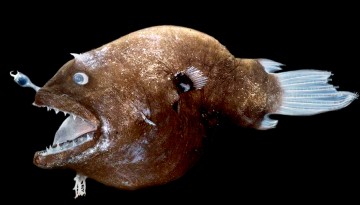
Researchers, including Tory Hendry, assistant professor of microbiology, have uncovered new insights into a symbiosis between bioluminescent bacteria and deep-sea anglerfish.
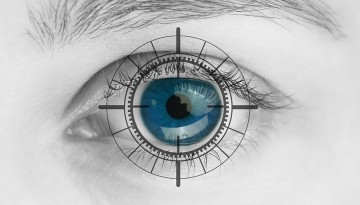
Cornell and Stanford University researchers have solved the three-dimensional structure of a protein complex involved in vertebrate vision at atomic resolution.
After an eight-month study, a task force of 16 faculty members has chosen “Migrations” as the theme of the first Cornell Global Grand Challenge, which will tackle the issue with resources from across the university.
Silvia Ferrari, the John Brancaccio Professor of Mechanical and Aerospace Engineering, has been awarded a grant to study the brains of moths with the goal of improving drone flight.
Poetry and performance, as well as more traditional presentations, were among the nine projects highlighted in the first Rural Humanities Showcase, held Sept. 6 in the A.D. White House.
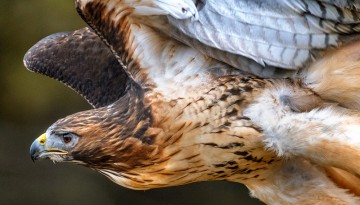
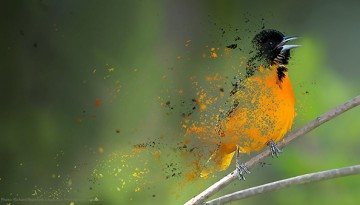
A team of scientists from seven institutions has published research that shows a massive loss of nearly 3 billion breeding adult birds since 1970, with devastating losses among birds in every biome.