By studying the mechanics needed for tiny one-millimeter copepods to jump out of water, scientists could build robots that use similar jumping techniques for practical purposes.
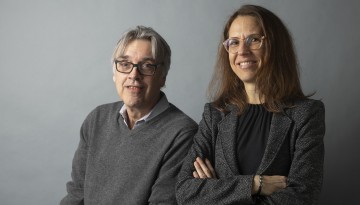
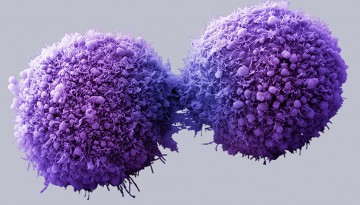
Richard Cerione, the Goldwin Smith Professor of pharmacology and chemical biology, and Claudia Fischbach, professor of biomedical engineering, discuss their collaborative research on cancer biology – the metabolic changes required for cancer development and cancer cells' interactions with other cells.
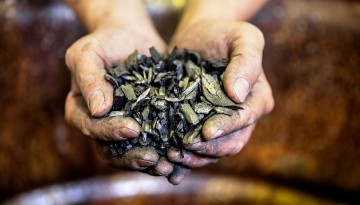
A Cornell-led study supported by the Atkinson Center for a Sustainable Future shows that biochar has great potential as a fertilizer because of its ability to soak up nitrogen, and its method for doing so.
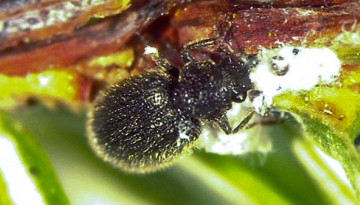
Mark Whitmore, extension associate in the College of Agriculture and Life Sciences, briefed congressional staffers on an invasive species threatening hemlock trees and ways to combat it.
Tom Cade, Cornell emeritus professor of zoology, who as an environmental champion worked tirelessly and successfully to save peregrine falcons from extinction, died Feb. 6 in Boise, Idaho. He was 91.
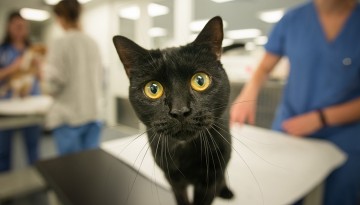
The Cornell College of Veterinary Medicine took part in World Spay Day for the first time on Feb. 23, and a total of 78 surgeries were performed, exceeding expectations.
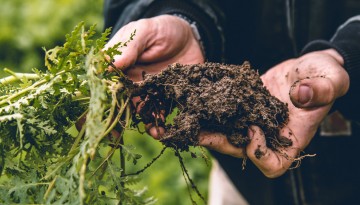
The Cornell-led New York Soil Health Initiative has just released its Soil Health Roadmap, which identifies ways farmers and land managers can adopt better soil health practices.
Researchers at the Boyce Thompson Institute have discovered the mechanism behind the symbiotic relationship between plants and fungi, which could lead to reduced fertilizer use.
A Cornell-led team has discovered that at the onset of a rare liver disease, a small non-coding RNA molecule becomes silenced, a finding that may hold the key to treatment.