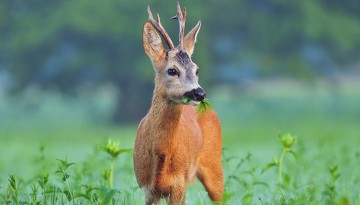
The New York State Cooperative Wildlife Health Program – a partnership among Cornell and New York state to track and manage wildlife diseases – will receive $4.8 million over the five years.
A volunteer program is connecting graduate students in the sciences and other fields with K-12 classrooms to teach mini-courses in Tompkins, Cayuga and Seneca county schools.
Researchers plumbing the mysteries of the brain gathered on Sept. 29 to share their discoveries at the inaugural Cornell Neurotech Mong Family Foundation Symposium in the Biotechnology Building.
Friends, colleagues and former students of Harry Greene will gather at the Cornell Lab of Ornithology Oct. 8, for "GreeneFest," a celebration of his science and of the lives Greene has influenced.
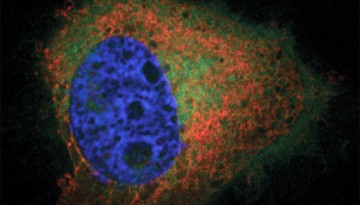
Research involving cancer-targeting silica particles, known as Cornell dots, has shown that the particles can neutralize nutrient-deprived cancer cells by a cell-death process called ferroptosis.