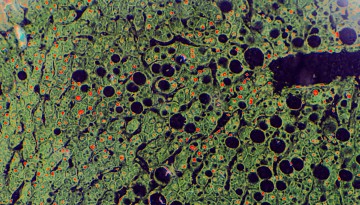
New research from Weill Cornell Medicine has uncovered a surprising culprit underlying cardiovascular diseases in obesity and diabetes – not the presence of certain fats, but their suppression.
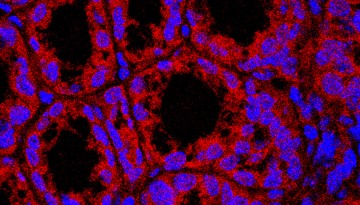
Knocking out a single gene reprograms part of the large intestine to function like the nutrient-absorbing small intestine; Weill Cornell investigators showed that this reversed the malnutrition that results when most of the small intestine is removed.
Pregnancy may offer some protection from developing long COVID, found a new study led by Weill Cornell Medicine, University of Rochester Medical Center, University of Utah Health and Louisiana Public Health Institute.
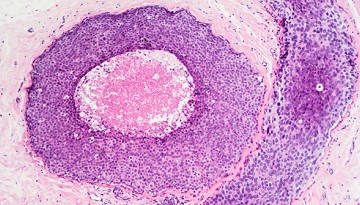
Researchers at Weill Cornell Medicine developed a more effective model for predicting how patients with muscle-invasive bladder cancer will respond to chemotherapy.
Four leading research institutions, including Weill Cornell Medicine, have united under the Weill Cancer Hub East, an innovative, collaborative partnership that aims to transform cancer treatment.
The Class of 2025 learned on March 21 where they will be doing their internship and residency training – setting the stage for the next several years of their medical careers and lives.