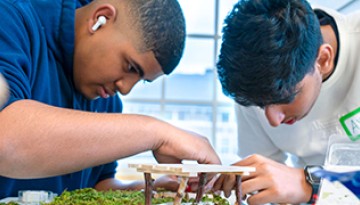
Outside of the token skate park, the diverse needs of New York state teens are often ignored when planners design public spaces. A new collaboration between a College of Human Ecology professor and Cornell Cooperative Extension seeks to put an end to that.
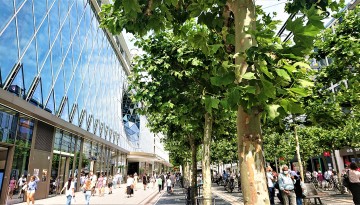
“Polycentric” development patterns can mitigate the urban heat island effect by distributing urban density and curbing the sprawl of impervious surfaces, a Cornell analysis finds.
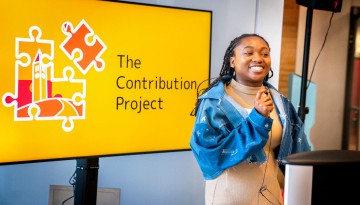
Applications are open for the Contribution Project, a program that grants $400 each to undergraduates with ideas for how to make a difference in the world.
Identical twins Ashley and Verena Padres ’26 fell in love with the idea of space exploration and working together at an early age – now they employ and enjoy that spirit of curiosity and collaboration at Cornell.
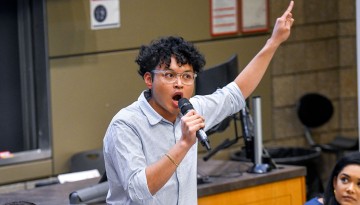
Students from ILR and the College of Arts and Sciences debated “Speechless: Should Union Organizers Have Free Speech Rights in the Workplace?” on Jan. 31 in Ives Hall, supporting the Freedom of Expression Theme Year.
A puppy’s jaw spontaneously regrew after Cornell veterinarians removed a majority of his lower left mandible due to cancer – the first reported case of its kind for dogs of any age or breed.
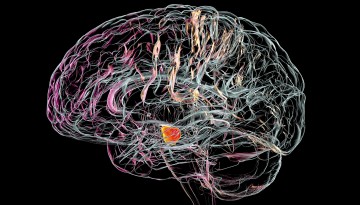
Cornell neuroscientists have identified a group of midbrain neurons essential to ultrasonic social vocalizations produced by mice – but not the squeaks they make when distressed.
The university has announced a realignment within the Office of the Executive Vice President and Chief Financial Officer designed to improve long-term financial oversight and cross-campus coordination between Ithaca and Weill Cornell Medicine in New York City.
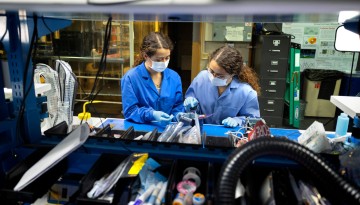
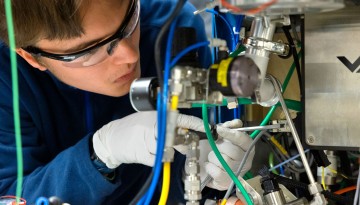
A two-week program that introduces high school seniors to nanofabrication is one of many efforts at the Cornell NanoScale Facility to prepare a workforce - as the microchip industry settles in upstate New York.