Tom E. Davis, professor emeritus of economics in the College of Arts and Sciences who was an expert on economic development in Latin America, died Oct. 27 in Ithaca. He was 93.
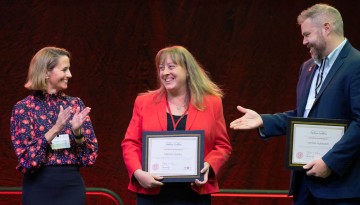
The 12th annual Cornell Town-Gown Awards – also known as the TOGOs – celebrated cooperation between the university and the greater Ithaca community at a virtual ceremony held Nov. 19.
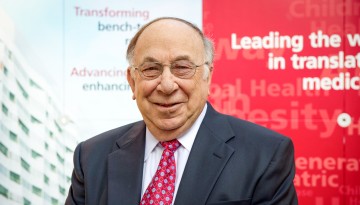
Robert J. “Bob” Appel ’53, a vice chair of Weill Cornell Medicine’s Board of Fellows, Cornell trustee emeritus and presidential councillor, died Nov. 19 in New York, at age 91.
Known for beaming stunning images back to Earth, NASA’s James Webb Space Telescope just scored another first: a molecular and chemical portrait of a distant world’s skies.
Two grants, from the National Endowment for the Humanities and the Mellon Foundation, are supporting a web of collaborative, public-facing humanities projects initiated by Tao Leigh Goffe, assistant professor of Africana studies and feminist, gender and sexuality studies in the College of Arts and Sciences.
Nineteen individuals and three teams received President’s Awards for Employee Excellence – including a new award, Culture of Sustainability – during a celebration held Nov. 15 in Barton Hall and online.
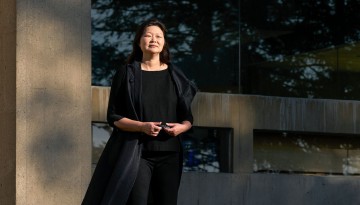
J. Meejin Yoon, B.Arch. ’95, has been appointed to a second term as the Gale and Ira Drukier Dean of the College of Architecture, Art and Planning, Provost Michael I. Kotlikoff announced Nov. 17.
The FIFA World Cup begins Nov. 20 in Qatar, and Cornell Engineering is partnering with the Afghan Dreamers all-girls robotics team in an effort to harness this energy – and inspire young people to dream big, in both soccer and STEM learning.