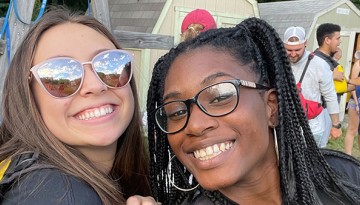
Now in its third year, CSMore has grown into a rigorous one-month program for potential CS majors, complete with course prep, faculty research talks, a full slate of social activities, and networking opportunities with major companies.
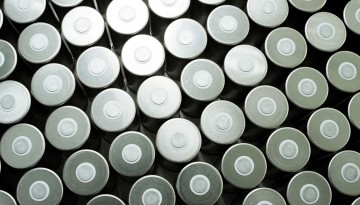
Cornell’s Center for Alkaline-Based Energy Solutions has received renewal funding of $12.6 million for a four-year period to continue its work developing advanced fuel cell technologies in alkaline media.
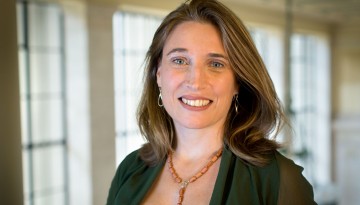
Krystyn J. Van Vliet, currently associate provost and associate vice president for research at the Massachusetts Institute of Technology, will join Cornell in 2023 as vice president for research and innovation.
Cornell Law School’s First Amendment Clinic was part of a team that won a precedent-setting ruling by a federal appeals court concerning the scope of amendments to the Freedom of Information Act.
The 3,514 first-year students who began classes on Aug. 22 hail from 67 countries and almost every state, plus the District of Columbia, Puerto Rico and the U.S. Virgin Islands.
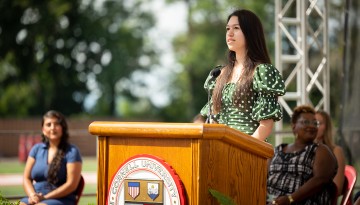
Hundreds of first-year and transfer students were heaped with advice, encouragement and well-wishes at New Student Convocation, held Aug. 21 at Schoellkopf Field.
Students in the Milstein Program in Technology & Humanity spent eight weeks this summer exploring New York City and thinking deeply about the implications of technology.
Explore the International Fair and find out about international majors and minors, language study, study abroad, funding opportunities, global internships, and more.
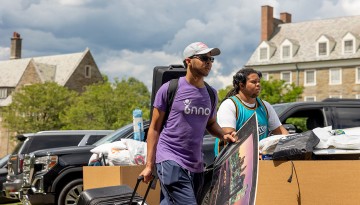
As the residence halls honoring Ruth Bader Ginsburg, Hu Shih and Barbara McClintock opened, resident advisers handed these newest Cornellians their room keys – and their futures.