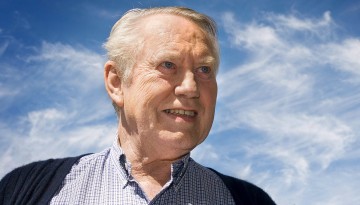
Cornell has announced that East Avenue, one of the main arteries through the Ithaca campus, will be renamed in honor of Charles F. “Chuck” Feeney ’56, founding chairman of The Atlantic Philanthropies and the university’s most generous donor.
Students working with faculty and staff in the Department of Performing and Media Arts have created nine short films exploring life at Cornell in the time of COVID-19. “Off-Campus/On Screen” will be shown online Dec. 18-20.
The Jewish Studies Program will host “Di Linke: The Yiddish Immigrant Left from Popular Front to Cold War,” a six-webinar conference exploring the complex history of the Jewish People’s Fraternal Order.
In memory of Antonio Tsialas ’23 and to honor his legacy of leadership and integrity, Cornell will establish the Antonio Tsialas ’23 Leadership Scholarship.
This year’s Lund Critical Debate, “The Police and the Public: Global Perspectives,” hosted by the Einaudi Center, will explore the contested ground between social justice and security, and weigh strategies for conflict resolution.
Employing an innovative research method that used smartphones to collect location and real-time survey data, sociologist Erin York Cornwell examined how everyday social environments may contribute to short- and long-term health changes.
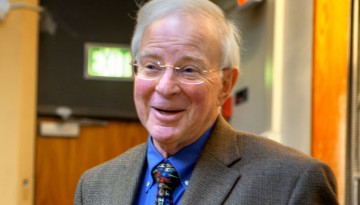
Richard “Dick” Polenberg, the Marie Underhill Noll Professor of History Emeritus who taught at Cornell for more than 45 years, died Nov. 26 in Ithaca. He was 83.
Cornell faculty have until Friday, Dec. 11, to submit nominations for the A.D. White Professors-at-Large Program, specifically in the areas of humanities, life sciences and physical sciences.
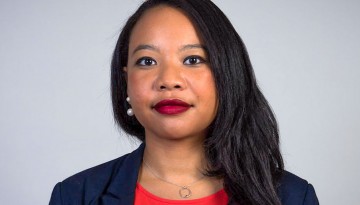
Tao Leigh Goffe, assistant professor in the College of Arts and Sciences, is one of the co-founders of the Journal of Indentureship and its Legacies, a new peer-reviewed publication set to debut in May 2021.