Five doctoral candidates were inducted into the Cornell chapter of the Bouchet Graduate Honor Society, which recognizes outstanding scholarly achievement and promotes diversity and excellence in doctoral education.
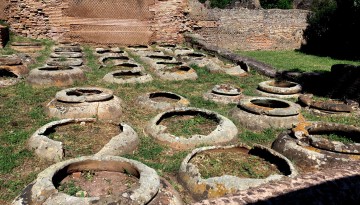
Classics professor Astrid van Oyen's new book is an archaeological study of Roman socio-economics, and how storage could make or break farmers and empires alike in the pre-industrial world.
Cornell has announced its 2020 cohort of Commercialization Fellows, who will spend a fully funded summer and semester exploring market viability for new technologies, including novel robots and a vaccine delivery system.
Provost Michael Kotlikoff and Vice President And Chief Human Resources Officer Mary Opperman said the Ithaca and Geneva campuses will be cleared for Phase 4 reopening June 26.
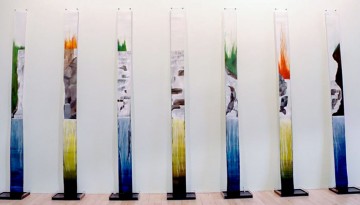
Virtual events and resources at Cornell include a panel discussion on protests and democracy, a series of staff forums, virtual tours of Cornell Botanic Gardens and the Fall Creek gorge, and a new online gallery of art students' senior thesis projects.
The Master of Science in Legal Studies, a 20-month program offered primarily online, aims to help full-time business professionals navigate the legal regulations and issues impacting their industries.
Lara Fresko Madra, a doctoral candidate in the history of art, archaeology and visual studies, was recently selected as one of 23 recipients of the 2020-21 Charlotte W. Newcombe Doctoral Dissertation Fellowship.
David I. Grossvogel, the Goldwin Smith Professor of Comparative Literature and Romance Studies Emeritus and founder of the influential literary journal Diacritics, died June 14 at age 94. He taught at Cornell from 1960 to 2000.