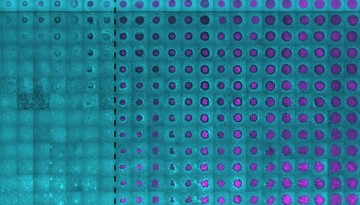
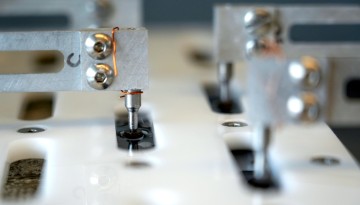
Cornell researchers developed a multimodal platform to image microbe-semiconductor biohybrids with single-cell resolution, to better understand how they can be optimized for more efficient energy conversion.
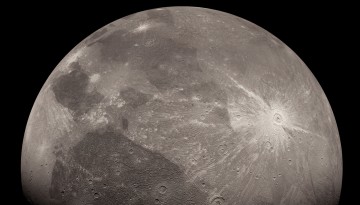
With its sensitive infrared cameras and high-resolution spectrometer, the James Webb Space Telescope is revealing new secrets of Jupiter’s Galilean satellites – in particular Ganymede, the largest moon, and Io, the most volcanically active.
As concerns about climate change intensify, researchers are exploring the potential for large-scale human intervention in the Earth’s climate system, a strategy sometimes referred to as geoengineering. Two leading researchers in the area discuss how their research in sunlight reflection methods fits into the bigger picture of potential climate solutions.
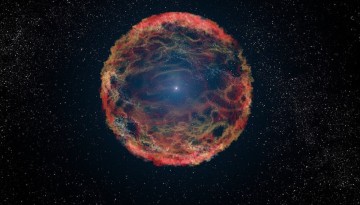
Anna Y. Q. Ho and others chosen will pursue science investigations that will contribute to Israel’s first space telescope mission, planned to launch into geostationary orbit around Earth in 2026.
An interdisciplinary research team received a five-year, $2 million grant from the National Science Foundation to develop a new generation of biosynthetic lubricants that have the potential to treat arthritis and reduce the painful friction of artificial joints.
In a fast-fashion, throw-clothes-away world, textile expert Juan Hinestroza (Human Ecology) and a group of scientists have new ways to recycle wasted polyester into new useful products.