President Martha E. Pollack sent a message May 9 reassuring the Cornell community that the university will continue to protect the privacy of student information and records from any unauthorized disclosure.
A study identified the sugar alcohol erythritol, which can be metabolized by, and even produced in, the human body as a biomarker for increasing fat mass.
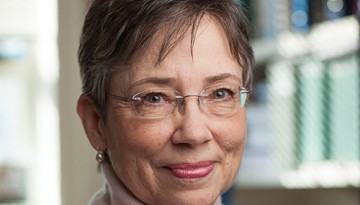
Kathleen M. Rasmussen, professor of nutritional sciences, has been recognized by the American Society for Nutrition with the Conrad A. Elvehjem Award for Public Service in Nutrition.
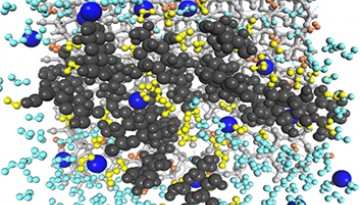
Organic material added by plant roots and microbes provide nutritious candy for the soil. Literally. Cellular sugar boosts water and nutrient retention, says new Cornell research.
Students and real estate professionals got a refreshingly honest view of the competitive and contentious world of development April 28 in NYC at a panel discussion.
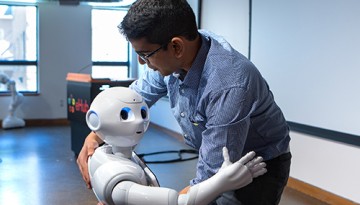
Students competed for $10,000 in prize money to offer the best ideas on how Pepper, a humanoid robot that can interpret emotions and have intelligent conversations, can be used in the hospitality industry.
Dig into digital agriculture, comprehend plant breeding biotechnology, and learn out how the microbiome may solve food production problems at an agricultural technology and partnership forum June 7.
Food entrepreneurs took part in the panel discussion Advancing Food Entrepreneurship April 28 at the Statler Hotel, part of the Entrepreneurship at Cornell Celebration conference.
Oneka LaBennett's students in oral history and urban ethnography over spring break recorded the life stories of Caribbean immigrants living and working in a rapidly gentrifying part of Brooklyn.
With a ceremonial groundbreaking May 5, construction of the new Maplewood housing complex for graduate and professional students and their families is underway.
The perception that many minerals, such as copper and aluminum, are becoming scarce is challenged in a new report that also highlights the environmental and social keys to unlocking future resources.