Luigi Einaudi received the the Perry Award for Excellence in Defense and Security Education at the National Defense University's William J. Perry Center for Hemispheric Defense Studies Jan. 12.
Rosa Clemente, M.P.S. '02, will speak on the significance of political activism and social justice and the Rev. Martin Luther King Jr.'s legacy, Jan. 24 at the Africana Studies and Research Center.
The story of Project FeederWatch – a program where members track birds visiting their feeders – provides an example of how technology has helped citizen science grow bigger in unexpected ways.
Tickets can be purchased through Jan. 19 for Cornell’s Winter Employee Celebration, to be held Jan. 28. Tickets for Cornell faculty, staff, retirees and their families include dinner and men's basketball.
Study probes how DNA unwrapping and the release of protein are linked inside the macromolecular complex known as the nucleosome core particle, which could inform therapeutic strategies for cancer.
Lewis C. Cantley and Kristy Richards are growing radically collaborative research connections between Weill Cornell Medicine and the College of Veterinary Medicine.
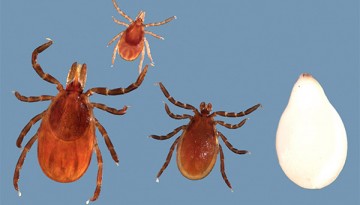
To better understand, prevent and treat diseases passed from insects to people, the Cornell-led Northeast Regional Center for Excellence in Vector Borne Diseases will launch later this month.
Contrary to their own scientific intuition, Cornell researchers found that the body size of intertidal oysters went unchanged after the Deepwater Horizon oil spill disaster in the Gulf of Mexico.
New research from Cornell University shows that hiring managers' awareness of competence among job applicants and managers' attitudes toward affirmative action help reduce prejudice in recruitment.
Richard Penner, who served at the university for more than 40 years - from 1970 to 2012 - died Dec. 11 of progressive supranuclear palsy, a rare degenerative neurological disease. He was 70.
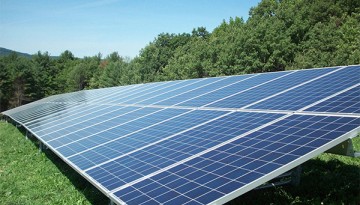
Cornell now milks the sun for energy: The university formally opened three additional solar farms in December that will generate large amounts of electricity and help the campus achieve carbon neutrality.