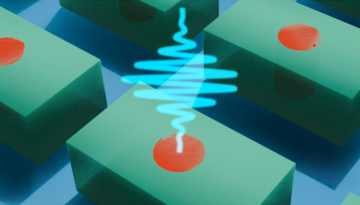
Using an engineered metasurface that traps light, Cornell researchers have demonstrated a new way to generate strong static magnetic fields without using external magnets or magnetic materials – an approach that could advance spintronics, quantum and photonic computing, and data storage.
New books from Cornell professors explore India’s economy, heritage forensics in the South Caucasus region, and military mobilization involving troops and defense workers during World War II.
Forty-two faculty members and staff from 19 Cornell schools, colleges, and administrative units have been named Engaged Fellows for 2026-2027, marking the largest cohort since the program’s launch in 2013. Fellows will spend the…
Thorns is the 2026 Heermans-McCalmon Distinguished Guest Artist, a program of the Department of Performing and Media Arts (PMA) in the College of Arts & Sciences.
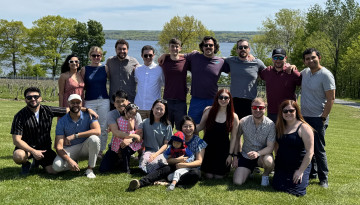
A decade after graduation, Cornell biomedical engineering M.Eng. alumni returned to campus to share how the program's technical foundation, adaptability and community have shaped careers across diverse fields.
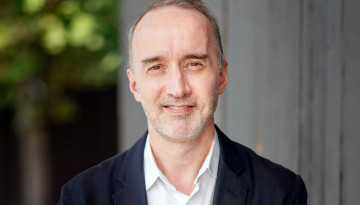
Edouard Kopp, chief curator of the Menil Drawing Institute in Houston, has been named the next director of the Herbert F. Johnson Museum of Art at Cornell.
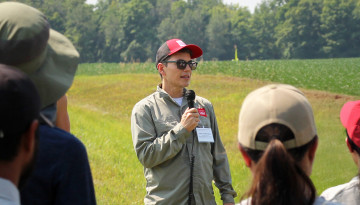
Cornell researcher Louis Longchamps is working to flip the traditional research model by putting farmers in the driver’s seat, with scientists providing support to strengthen agricultural innovation and food security.
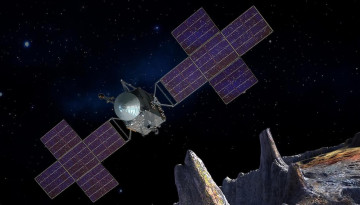
During the 2026 Terzian Lecture hosted by the astronomy department, Psyche Mission PI Lindy Elkins-Tanton will discuss the spacecraft’s journey to the metal-rich asteroid Psyche and upcoming discoveries.
Celebrate birds with a fun-filled day of free workshops, presentations, bird walks, and more at the Cornell Lab of Ornithology on Sept. 12 from 10 a.m to 3 p.m.
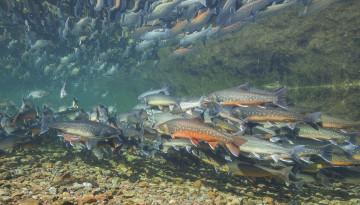
Bipartisan legislation introduced this month by the co-chairs of the U.S. Senate Oceans Caucus relies on environmental DNA techniques pioneered by retired Cornell Atkinson director David Lodge.
A team of Weill Cornell Medicine investigators has developed a computer model that will help scientists more efficiently develop protein-destroying therapies, a newer type of treatment that is particularly promising for cancer.