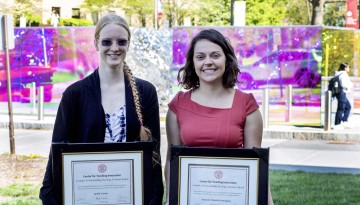
Doctoral candidates Judith Tauber (Romance studies) and Amanda Domingues (science and technology studies) are the 2023-2024 recipients of the Cornelia Ye Outstanding Teaching Assistant Award.
TeraPore Technologies, co-founded by Rachel Dorin, Ph.D. ’13, and its novel nanofiltration products are changing how the pharmaceutical industry is reducing risk of harmful virus contamination in biological drugs.
Wildlife experts have developed a regional computer model – and user friendly app – that predicts counties where wildlife managers should target their surveillance of chronic wasting disease in deer.
Designing and Building AI Solutions is a new online certificate program,with one-of-a-kind features designed to enhance the learning experience for those that desire to build their own AI products—no coding required.
A study involving more than 3.6 million people who’d already received COVID vaccinations found that offering free Lyft rides to a vaccination site was no more enticing than simply reminding people of the importance of getting boosted.
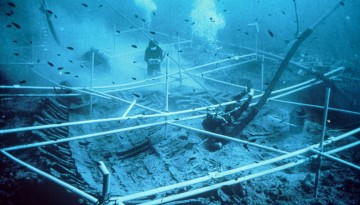
The Cornell Tree-Ring Laboratory identified the likeliest timeline of the Hellenistic-era ship's sinking as between 296-271 BCE, with a strong probability it occurred between 286-272 BCE.
Weill Cornell Medicine received a $1.5 million grant to develop new approaches for predicting the spread of cancer cells to the bone in men with prostate cancer, using tumor samples taken at early stages of the disease.
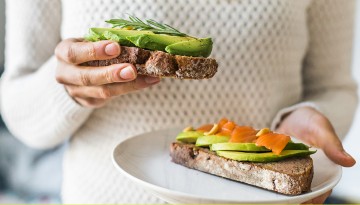
Nutritionists generally advise everyone to eat more dietary fiber, but a new study suggests that its effects on health can vary, suggesting that recommendations should be tailored to each individual’s gut microbiome.