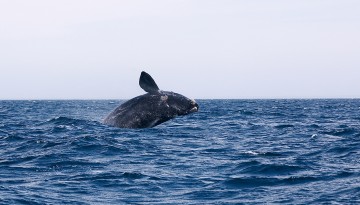
The highly endangered North Atlantic right whale, by rapidly altering its use of important habitat areas off the New England coast, is sending a signal about disruptive change in the environment, according to new Cornell research.
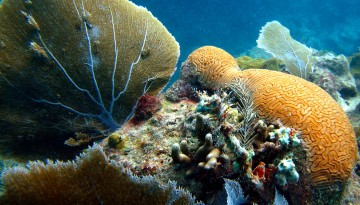
For the colorful, graceful sea fans swaying among the coral reefs in the waters around Puerto Rico, copper is an emerging threat in an era of warming oceans, according to new Cornell research.
On Nov. 19, Cornell President Martha E. Pollack sent a message to the Ithaca campus community updating the status of the investigation into the death of Antonio Tsialas and announced a plan for reforms to the Greek-letter system.
Jennifer Grant, Ph.D. ’00, director of the state Integrated Pest Management Program, has won the Northeastern IPM Center’s inaugural Outstanding Achievements in IPM Award.
A faculty committee’s interim report details the potential structure of a school or college of public policy at Cornell. The university community is invited to offer feedback in upcoming listening sessions, Nov. 20 and Dec. 12.
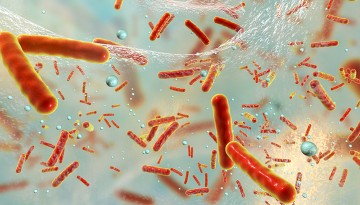
Cornell researchers have uncovered the structure of a regulatory mechanism unique to bacteria, opening the door for designing new antibiotics targeted to pathogens.
Marc Lacey ’87, national editor for The New York Times, will be the inaugural fellow in the Distinguished Visiting Journalist Program, launching next semester in the College of Arts and Sciences.
Events this week include the 17th annual Labor Roundtable; artist and filmmaker Malena Szlam; music and artistry of Indonesia; a hands-on data visualization workshop; and a lecture on literature and Mardi Gras traditions.
RealEats, a Geneva, New York-based company that delivers freshly made meals using locally sourced ingredients, has been named winner of the $1 million grand prize in the inaugural Grow-NY business competition.
David Robertshaw, professor emeritus of physiology and an expert on water metabolism and temperature regulation in desert-adapted mammals, died Nov. 8 in Ithaca. He was 85.
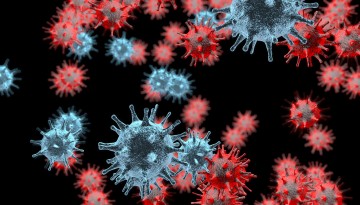
Researchers at the Baker Institute for Animal Health have identified a new mechanism that plays a role in controlling how the herpes virus alternates between dormant and active stages of infection.