The third annual Cornell Digital Agriculture workshop, Oct. 30 in the Statler Hotel, will bring together stakeholders across disciplines to solve the biggest problems in agriculture and food systems.
Ryan Quinn ’18 visited campus Sept. 19 to speak to students about his experience working on a Congressional campaign and about what he has learned about relating to people.
During a Sept. 20 visit to campus, Stephen Robinson ’81, J.D. ’84, assured undergrads that having 10 different jobs during your career is completely normal, and actually pretty exciting.
Cornell’s sixth annual Community Development Institute brought together more than 125 experts in academia, government and community development to discuss solutions for dealing with “zombie homes” across New York state.
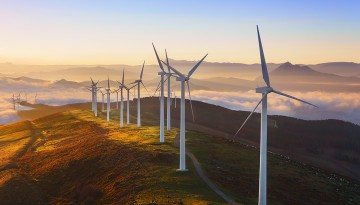
Cornell and Northwestern engineers, and a federal economist, have created an energy model that aims to remove carbon power from the U.S. electric grid – replacing it with financially feasible green energy.
Ceres2030, a global effort led by International Programs in the College of Agriculture and Life Sciences, is employing machine learning, librarian expertise and cutting-edge research analysis to use existing knowledge to help eliminate hunger by 2030.
Research by a Cornell sociologist found that under conditions of perceived economic scarcity, white decision-makers began to see black individuals differently, an implicit shift linked to devaluation and discriminatory behavior.
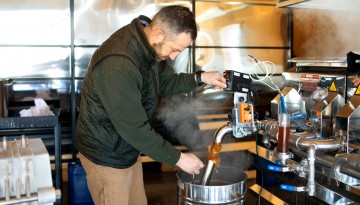
From maple syrup to apple cider to goat's milk soap, New York farms are growing sales in partnership with Cornell Cooperative Extension and Taste NY stores across the state.
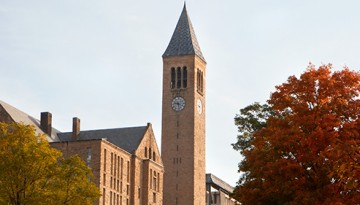
As of January 2020, Cornell will bring together eCornell, its online learning platform, and other external education programs as a new unit under the academic leadership of the Office of the Provost.
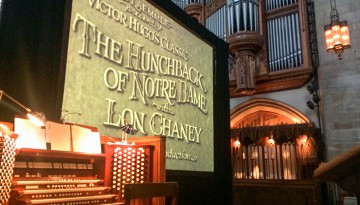
Events this week include Chocolatada! at Cornell Botanic Gardens; Halloween film screenings and costume parties at Cornell Cinema; a concert of train songs, and a podcast recording at the Johnson Museum.
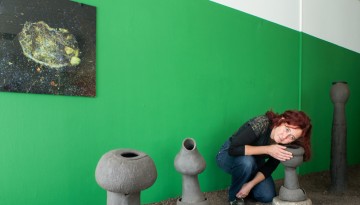
Research projects investigating the sounds of soil bring the fields of soil science, art, bioacoustics, entomology and other disciplines together, and blend creative practice with scientific inquiry.