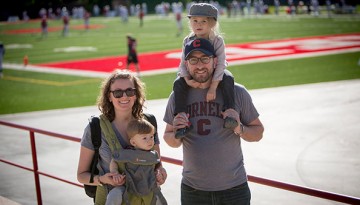
Tickets are now on sale through Sept. 28 for Cornell’s Fall Employee Celebration for staff, faculty, retirees and their families, to be held Oct. 7, when Cornell Big Red football will square off against Harvard University at 1:30 p.m. The $5 per person ticket covers both football game and Cornell Community Dinner.
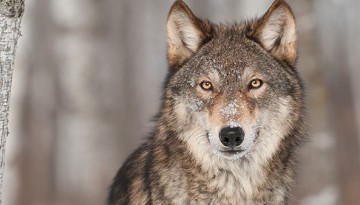
In an effort to settle the debate about the origin of dog domestication, a technique that uses 3-D scans of fossils is helping researchers determine the difference between dogs and wolves.
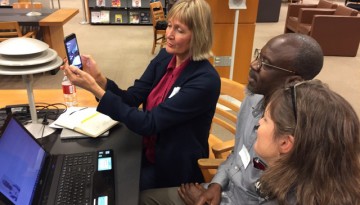
Knowledge Matters, a workshop series designed for Cornell faculty members and academic staff, is helping participants translate their research into a variety of digital media platforms.
Recent changes in the provost’s office have set the stage for better implementation of technology and teaching initiatives, blending them behind the scenes in a way that matches, and enhances, how they complement each other throughout Cornell.
Seven faculty members were honored with awards from the Louis H. Zalaznick Teaching Assistantship program, allowing them to expand their courses or add teaching assistants.
This fall, Mark Sarvary in the Department of Neurobiology and Behavior, launched Introduction to Applied Science Communication: Digital Platforms and Public Engagement.
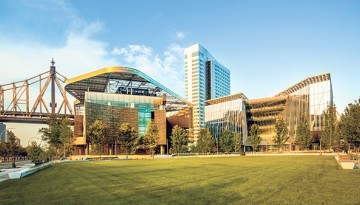
The Samuel Curtis Johnson Graduate School of Management marked a major milestone Sept. 13 at the official dedication of the new Cornell Tech campus on Roosevelt Island in New York City.
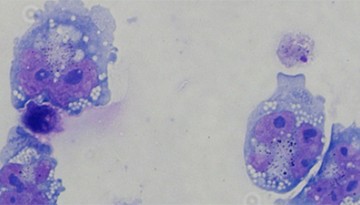
Errors in the regulation of gene expression may contribute to the development of a common form of blood cancer and point to potential treatment strategies.
In a study that has implications for scientific policy and labor markets, new research finds one-third of science and engineering Ph.D. students lose interest in an academic career by the time they graduate.
After 360 engine burns, 2.5 million executed commands, 635 gigabytes of gathered data, 162 moon flybys, 4.9 billion miles traveled, NASA’s 20-year Cassini mission ran the last lap of its historic scientific mission Sept. 15.
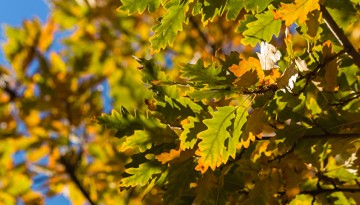
Cornell scientists in partnership with state agencies identified oak wilt, a devastating pathogenic fungus that kills oak trees, in four towns on Long Island, in Brooklyn and in Canandaigua.