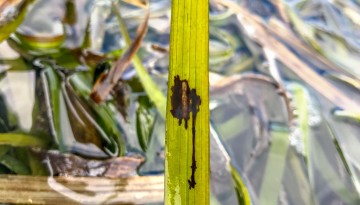
A combination of ecological field methods and AI has helped an interdisciplinary research group detect eelgrass wasting disease from San Diego to southern Alaska, and determine that it’s caused by warmer-than-normal water temperatures.
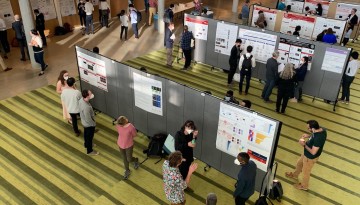
The annual event showcased the wide range of cancer research taking place across Cornell colleges and campuses, and allowed faculty and students to identify potential areas for collaboration.
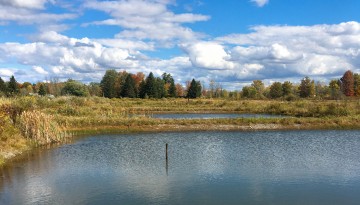
Meredith Holgerson, assistant professor in ecology and evolutionary biology, is working with New York state to quantify the climate impact of ponds and wetlands, as part of the state’s efforts to achieve carbon neutrality by 2050.
After many rounds of brainstorming, the lab group found inspiration during President Joe Biden’s inauguration on Jan. 20, when Gorman read her poem, “The Hill We Climb.”
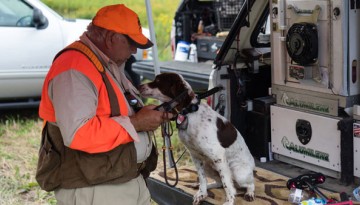
Nutmeg, a 10-year-old Brittany upland hunting dog, has survived both mammary and pulmonary cancers, thanks to careful monitoring and treatment. Her owner Tom Fiumarello has helped raise $34,000 for the canine cancer research fund.
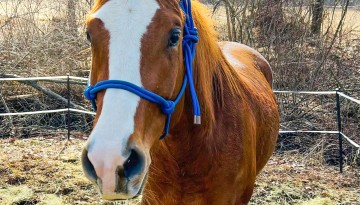
Willy, a 3-year-old quarter horse, was diagnosed by a Cornell team with equine recurrent uveitis, a complex autoimmune disease with both genetic and environmental factors.
Our 11th episode features Stephanie Wisner ’16, co-founder of Centivax, a therapeutics company that’s creating universal vaccines to reduce and eradicate the remaining complex pathogens of the 21st century.