An analysis of newly released census data by the Cornell Program on Applied Demographics shows how the pandemic’s onset influenced populations in each New York state county.
Using cutting-edge techniques, researchers from Weill Cornell Medicine and Memorial Sloan Kettering Cancer Center have visualized the structure of a receptor targeted by an anti-cancer immunotherapy. The finding may help scientists improve this type of cancer treatment.
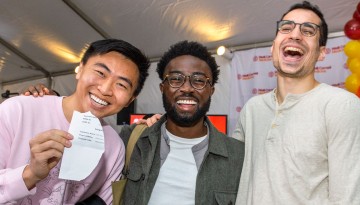
Students in the Weill Cornell Medical College Class of 2022 learned on national Match Day where they will be doing their internship and residency training – setting the stage for the next several years of their medical careers and lives.
Individual Candida albicans yeast strains in the human gut are as different from each other as the humans that carry them, and some C. albicans strains may damage the gut of patients with inflammatory bowel disease, according to a new study from researchers at Weill Cornell Medicine.
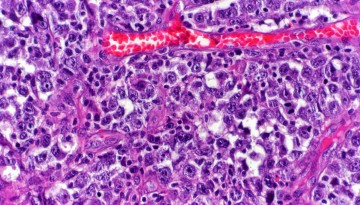
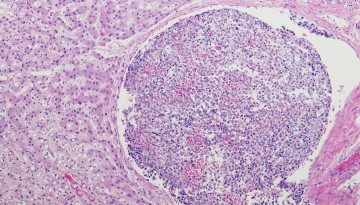
Tumors can use an enzyme called ART1 to thwart antitumor immune cells, making the enzyme a promising new target for immunity-boosting cancer treatments, according to a study from researchers at Weill Cornell Medicine and Albert Einstein College of Medicine.
Most patients with severe COVID who are put on ventilators regain consciousness after removal of respiratory support, but recovery may take weeks after the period of mechanical ventilation has ended, according to a new study.
A summit hosted at Cornell Tech on Feb. 28 brought together more than 50 principals, guidance counselors, students and leaders from community-based organizations to discuss how to grow Cornell’s Bridge Scholars program from a successful pilot initiative into a nation-wide collaborative.
Anti-Mullerian hormone, traditionally thought of as a passive byproduct of polycystic ovary syndrome, may actually play an active role in the disorder, according to new research.
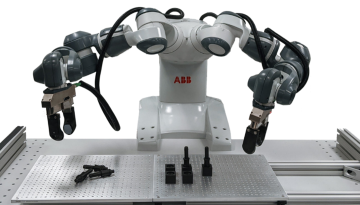
When we think of having our own handy multi-purpose robots, we tend to picture something out of Star Wars or The Jetsons — but the useful technology of the ‘future’ may not be as far off as we think. Maria Bauza Villalonga, PhD student at MIT, hosted a Seminar @ Cornell Tech to show how robots can become our best allies.