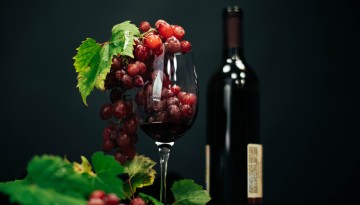
Cornell food scientists now show that the leftover pulp from the red wine making process has the potential to be a nutritive, illness-reducing treasure.
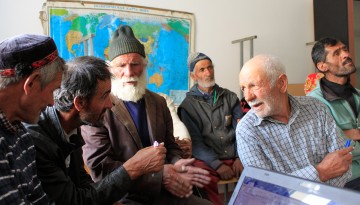
Karim-Aly Kassam is leading a project that brings together Indigenous and rural communities and scholars from across the globe to develop ecological calendars that integrate local cultural systems with seasonal indicators.
The U.S. Department of Agriculture has awarded $3.9 million in funding to the Cornell University Agricultural Experiment Station to support 52 projects across three colleges.
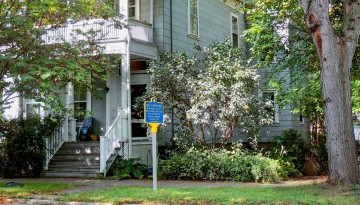
Urbanist and historian Thomas J. Campanella, was researching a book when he first came across the name Verdelle Louis Payne, who was a member of the famed Tuskegee Airmen, the first African American military pilots in the U.S. Armed Forces.
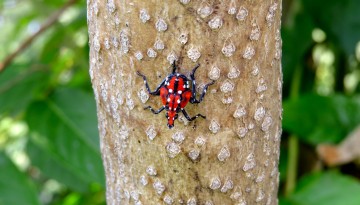
Thanks to grant funding from the USDA, the New York State Integrated Pest Management program is developing new virtual courses to help schools implement plans to manage pests such as rodents, head lice, bed bugs or yellow jackets.
Fumbling to find flashlights during blackouts soon may be a memory, as quantum computing and AI may quickly solve an electric grid’s hiccups so fast, humans may not notice.
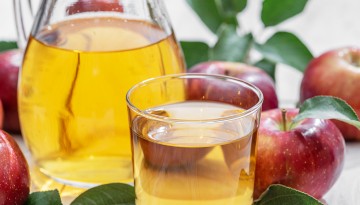
Apple juice lovers won’t be left with a bad taste, thanks to a new study that identifies three new bacteria species, one of which fouls up the flavor of the popular drink.
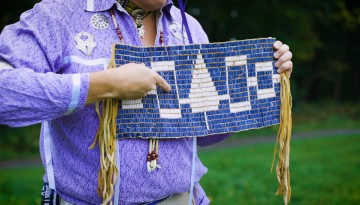
Toni Morrison Hall and Ganędagǫ: Hall – two newly opened student residential buildings – were designed and built in line with Cornell’s high standards for green infrastructure, a critical component to advancing the campus goal of carbon neutrality by 2035.