Proactive outreach and Cornell’s tradition of supporting military service have helped grow the number of cadets and midshipmen joining the Tri-Service Brigade this year.
President Michael I. Kotlikoff told the nearly 4,800 first-year and transfer students and family members gathered Aug. 19 at Schoellkopf Field for New Student Convocation to “learn from the people who don’t think and speak like you.”
New research from Cornell SC Johnson College of Business explores how Asian companies are producing ultra-fresh fashion with rapid product launches, digital supply chains and customer engagement strategies – but also presents sustainability challenges.
The research introduces the first framework for analyzing how digital authentication tools can be exploited in contexts such as intimate partner violence, elder abuse and human trafficking.
Nearly 40,000 alumni and student donors supported Cornell in a year that brought in $878 million in new gifts and commitments, the second-highest total in Cornell’s history.
In the aftermath of the George Floyd murder, the share of venture capitalist dollars that went to Black businesses jumped by 43%. But that trend was short-lived, according to new Cornell SC Johnson College of Business research.
The Purpose Science and Innovation Exchange, an initiative in the College of Human Ecology that launched in April to study the burgeoning field of purpose, has received a $3 million grant from the John Templeton Foundation.
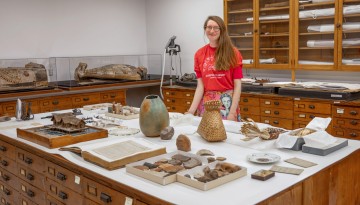
The celebration also features a welcome speech at 12:15 p.m. by Elaine L. Westbrooks, Carl A. Kroch University Librarian, and open houses for the new Anthropology Collaboratory and Library Map Collection.
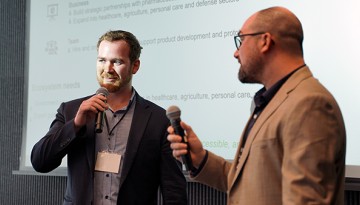
Two members of Cornell’s business incubators have been accepted to Cohort 2025 of the Activate Fellowship, a two-year program that supports scientists and engineers in their entrepreneurial ventures.
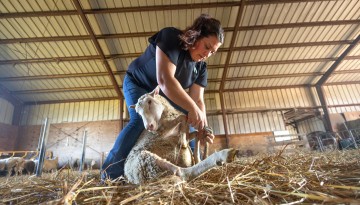
With funding from New York state, PRO-LIVESTOCK aims to support the region's livestock farmers, beginning with cattle, goat and sheep farmers, and two new hires have been traversing New York to spread the word.