Worrying about the consequences of missing group activities, especially when they involve social bonding, heightens the “fear of missing out,” according to new research from the Cornell SC Johnson College of Business.
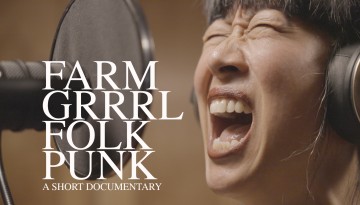
Three short documentaries produced in a Rural Humanities Seminar, taught by PMA Associate Professor Austin Bunn, are headed to film festivals this fall.
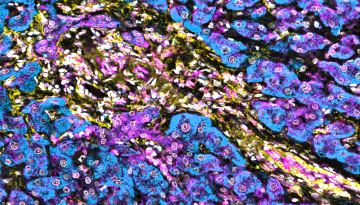
A study from Weill Cornell Medicine provides new insights into a pair of proteins and their opposing functions in regulating the interferon response in hepatic stellate cells, a critical immune component in the liver’s fight against tumors.
Interim President Michael I. Kotlikoff invoked history – Cornell’s and his own – in his first State of the University address, delivered Oct. 18 in Call Auditorium during the Trustee-Council Annual Meeting.
Four political experts will discuss “The 2024 Election and the Future of American Democracy” in this year’s Belnick Family LaFeber/Lowi Presidential Forum.
A new team of unarmed security professionals is supporting the campus community with daily functions that don’t require police officers, such as giving directions, managing crowds and escorting visitors.
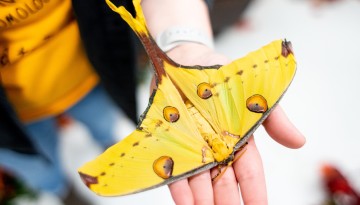
The creepy crawlies are king at Insectapalooza this weekend, but there are many other things to do across campus this week, from events to help you find balance and mindfulness to a musical duo that weaves traditional storytelling into their performances.