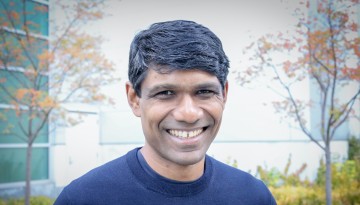
Popular Science’s 2022 list of “the top up-and-coming minds in science” includes Samitha Samaranayake, assistant professor in of civil and environmental engineering, citing his work to design algorithms to help varied modes of mass transit work more seamlessly together.
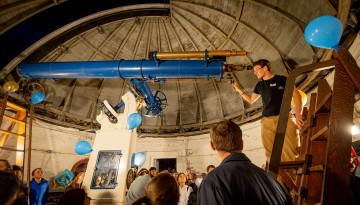
The Fuertes Observatory and its Friday night open houses, where visitors can marvel at the starry sky through “Irv,” the Irving Porter Church Telescope, were bright spots in a dark pandemic freshman year for Gillis Lowry ’24.
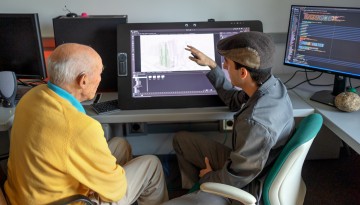
At 88 years old, professor Don Greenberg ’55 is still on the cutting edge: He’s launched a new undergraduate and graduate course for students in both architecture and computer science, “Design in the Age of Digital Twins.”
Blood plays an important role – as both plot element and metaphor – in novels by Spain’s most prominent writers of the 19th century, according to literary scholar Julia Chang.
On November 1st, Cornell's Center for Advanced Computing and Weill Cornell Medicine Scientific Computing, ITS, and Clinical and Translational Science Center will launch a new Scientific Computing Training Series.
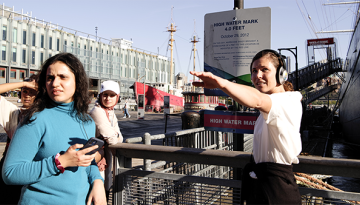
Students participating in this year's City and Regional Planning fall field trip to sites across New York City considered the many ways climate change impacts urban environments — physically, economically, socially, and environmentally — as well as disparities in resources dedicated to adaptation in different parts of the city.
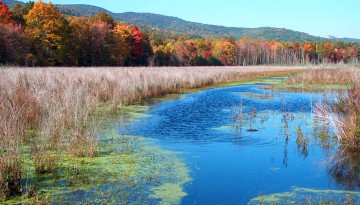
Through a long partnership between Cornell and the DEC, communities in the Hudson watershed have received training, tools and assistance to advance conservation land-use planning and policy.
More than a dozen students are taking part in the 2022 Cornell Biennial, which aims to serve as an anchor for the arts at Cornell and bring artists from around the world to campus.
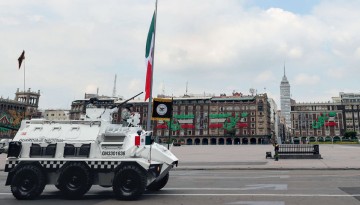
Taxes on elites earmarked for public safety have provided windows of opportunity in Latin America and a blueprint for state-building efforts across the developing world, Gustavo Flores-Macías argues in a new book.