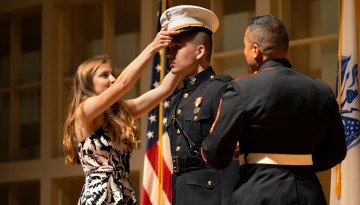
A dozen graduating ROTC seniors were among 19 members of Cornell's Tri-Service Brigade who earned commissions in the Army, Navy, Air Force and Marines during a May 27 ceremony in Alice Statler Auditorium.
When a deadly global pandemic broke out, compliance — the act of following rules — became critical. Yet many people didn’t adhere to the rules. Professor John, from the Cornell Law School, explains how getting people to work together and follow rules takes careful thought and planning, and that compliance inside businesses and organizations is essential to accomplishing just about anything.
When women and men are faced with positive gendered stereotypes, women experience more frustration and less motivation to comply with the expectation than men, according to new research.
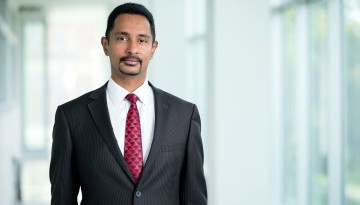
Ray Jayawardhana, the Harold Tanner Dean of the College of Arts and Sciences, has been appointed to a second five-year term, beginning July 1, 2023, and named the Hans A. Bethe Professor, an appointment that begins July 1, 2022.
Seventh-seeded Cornell will meet sixth-seeded Rutgers on May 28 in the NCAA Division I men's lacrosse national semifinals. Gametime is noon in East Hartford, Connecticut; the winner advances to the national championship game, May 30.
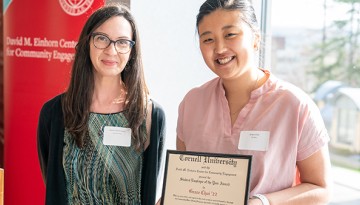
Joy Davis ’22 and Grace Choi ’22 were named Community Work Study Program Student Employees of the Year for their leadership, professionalism and teamwork in jobs that help improve the lives of community residents.
Twenty seniors in the Milstein Program in Technology & Humanity will graduate this year with degrees in everything from biology to linguistics to computer science to physics.
The FutureSounds Festival extended the existing sound world with presentations by guest builders and performers and newly designed instruments and compositions by Cornell students.
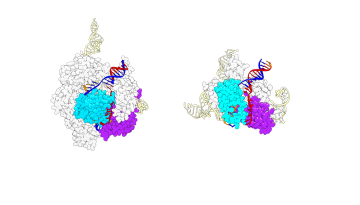
The Weill Cornell Medicine research takes a step toward precision medicine for a type of cancer that disproportionately affects people with African ancestry, an underserved population.