Sergio Garcia-Rios, assistant professor of government and Latina/o studies, is leading Univision’s polling of Latino voters through the 2020 election cycle.
Bailey Drewes and Chelsea Benson, Cornell employees who will complete in the U.S. Olympic Team Trials for the marathon, love the spirit among sub-elite runners, who juggle jobs in addition to their training.
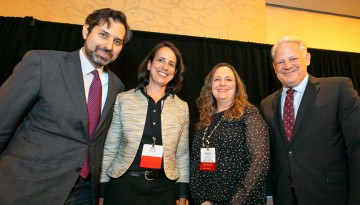
Is the American dream alive? Steve Israel, director of Cornell’s Institute of Politics and Global affairs, shared his thoughts on the subject as part of a panel discussion during the recent “State of the American Dream” event in New York City.
Black Entrepreneurs in Training, now in its second year, aims to increase entrepreneurship among students of color at Cornell, and generate a visible group of black alumni who’ve founded successful companies.
Sales representatives’ “detailing” visits increased drug firm revenues but did not improve prescribing quality, according to a study co-authored by Colleen Carey, assistant professor of policy analysis and management.
Quiet rooms and friendly nurses sway hospitals' patient satisfaction scores more than medical quality or survival rates, according a new study by Cristobal Young, associate professor of sociology.
Events at Cornell include the Martin Luther King, Jr. Commemorative Lecture with Yusef Salaam; pianist Philip Carli and silent films at Cornell Cinema; astrophysicist David Stevenson, Ph.D. '76; and the 2020 Backyard Bird Count.
The iconic “pale blue dot” photograph of Earth was taken 30 years ago – Feb. 14, 1990, at a distance of 3.7 billion miles – by the NASA spacecraft Voyager 1 as it zipped toward the far edge of the solar system.
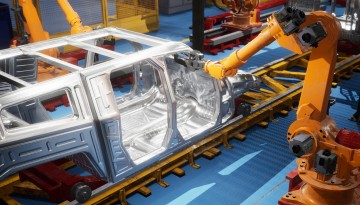
If we want to have a say in what the future looks like, scholars and policymakers need to start thinking about workplace automation far more broadly, according to a new paper co-authored by a Cornell researcher.
Cornell’s shared governance groups are considering resolutions related to the divestment of fossil fuel-related holdings from the university’s endowment.
This month marks the third anniversary of the discovery of a system of seven exoplanets known as TRAPPIST-1. Nikole Lewis, assistant professor of astronomy, is principal investigator for one of the teams investigating TRAPPIST-1.