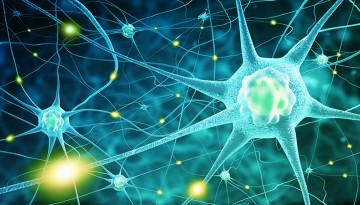
The nervous system maintains itself via phagocytes that clear out dead neuronal material, but faulty signals may actually cause healthy neurites to be destroyed, causing neurodegeneration.
Cornell research has improved bike sharing in New York City, where a crowdsourcing system that makes real-time decisions helps make sure bikes are available when people need them.
Artificial intelligence is helping Cornell's Elephant Listening Project learn critical information about forest elephants faster, to better protect the endangered animals from poachers and other threats.
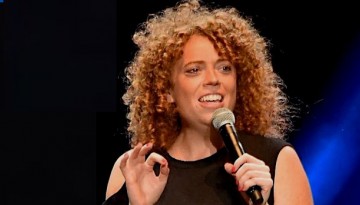
Events this week include Science on Tap, Festival24 and auditions at the Schwartz Center, Michelle Wolf at Bailey Hall, and films about the tumult of 1968.
Cornell’s Tech/Law Colloquium returns this fall semester with a slate of 12 free public talks from leading scholars in the areas of digital technology, ethics, law and policy.
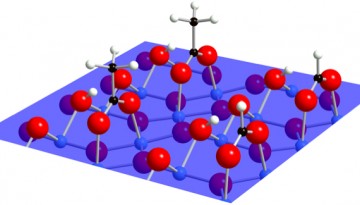
Melissa Hines, professor of chemistry and chemical biology, and research collaborators in Vienna, Austria, have begun to explain the unique self-cleaning ability of titanium dioxide.