A Cornell-led project that uses genomic technology to create varieties that are more flavorful and sustainable has been renewed with a $6.5M USDA grant.
Events on campus include jazz and classical performances, glass sea creatures and a fall party at the Johnson Museum, a book talk on roads in the Himalayas and a reading by poet and novelist Ron Rash.
The Department of Anthropology’s new Global Gateways course sequence will give students the opportunity to prepare for, and make the most of, Cornell’s off-campus opportunities.
A new Cornell-led study shows that deforestation and subsequent use of lands for agriculture or pasture, especially in tropical regions, contribute more to climate change than previously thought.
More young unmarried Americans are living together than ever before, but not much is known about why couples decide to take on this romantic rite of passage. A new book by demographer Sharon Sassler sets out to fill these gaps.
An existing drug may one day protect premenopausal women against life-altering infertility that commonly follows cancer treatments, according to a new study.
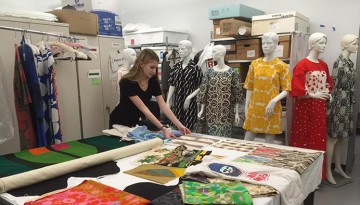
On Sept. 28, experience fashion, culture and history as the College of Human Ecology’s Cornell Costume & Textile Collection hosts a “fashion for a cause” runway show and silent auction in New York City.