A computer model analysis showed that global adoption of regenerative farming practices to improve soil health can benefit either greenhouse gas mitigation or crop yields but rarely both.
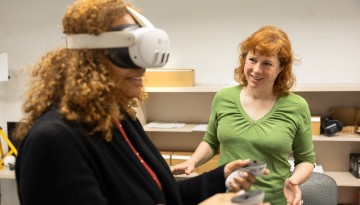
Cornell researchers are working to understand how robots can assist humans in dangerous and physically challenging environments, but the project, which is funded by the U.S. Department of Defense, has been halted by a stop-work order.
The award is the highest honor bestowed on students by SUNY and recognizes individuals who have demonstrated exceptional achievement across a range of areas, including academics, leadership and community service.
Cornell, ranked No. 1 in the nation, clinched its spot in the NCAA tournament by beating second-ranked Princeton, 20-15, in the Ivy League championship game and will open the NCAA Tournament at home against the University at Albany.
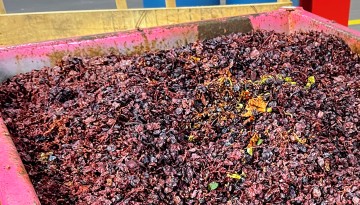
Cornell researchers have developed an economic model that calculates the additional business activity and tax revenue generated from purchases of specific local products.
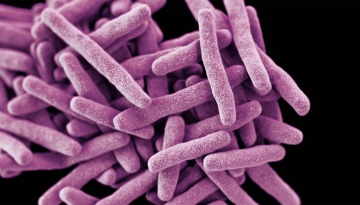
A new computational method developed by researchers at Cornell sheds light on how going dormant – sometimes for multiple generations – has affected the evolution of the tuberculosis bacterium and other organisms that can temporarily drop out of the gene pool.